

A thoughtful festive pairing: how to choose sweets for tea and coffee gift sets
Why the drink should come first
A festive hamper feels most generous when its contents belong together. A beautiful box may catch the eye, but the real pleasure begins later, when someone makes a cup of tea or coffee and discovers that every sweet has been chosen with that moment in mind.
Start with the drink rather than the decoration. Tea and coffee differ in bitterness, acidity, aroma and strength, so they naturally suit different flavours. Delicate biscuits can disappear beside a dark roast, while a richly spiced treat may overwhelm a light green tea. The aim is balance.
This approach is especially useful when choosing gingerbread gifts in Manchester for relatives, teachers, neighbours or colleagues. A rainy December afternoon, a warm mug and a carefully decorated biscuit create a small ritual that feels distinctly comforting. It is not simply a collection of products. It is an invitation to pause.
Match the strength of the flavours
International tasting practice follows a simple principle: pair similar intensities or create a deliberate contrast. Strong drinks usually welcome deeper flavours, while lighter brews benefit from subtle sweetness.
A practical starting point looks like this:
- English Breakfast works well with classic spiced gingerbread, buttery biscuits and milk chocolate.
- Earl Grey suits citrus icing, vanilla, almonds and lightly floral decorations.
- Green tea is best with restrained sweetness, lemon, pistachio or soft honey notes.
- A medium-roast coffee pairs beautifully with caramel, cinnamon, hazelnut and cocoa.
- Espresso can support dark chocolate, dense cake bites and strongly spiced biscuits.
- A milky latte or flat white is lovely with vanilla, ginger, fruit fillings and gentle toffee flavours.
These combinations are guides, not strict rules. Personal taste matters more than tradition. If the recipient always dips a ginger biscuit into milky tea, that familiar pleasure is worth more than an elaborate pairing recommended by an expert.
Build variety without creating clutter
A generous set does not need ten unrelated flavours. In fact, consumer choice research repeatedly shows that too many options can make an experience less satisfying. Three or four complementary elements often feel more considered than an overflowing box.
Choose one leading flavour, one contrasting note and one quiet companion. For example, a winter tea set might combine warm spice, orange and vanilla. A coffee hamper could bring together chocolate, hazelnut and salted caramel. Repeating colours or decorative details helps the assortment look harmonious even when the flavours differ.
Give every sweet a role
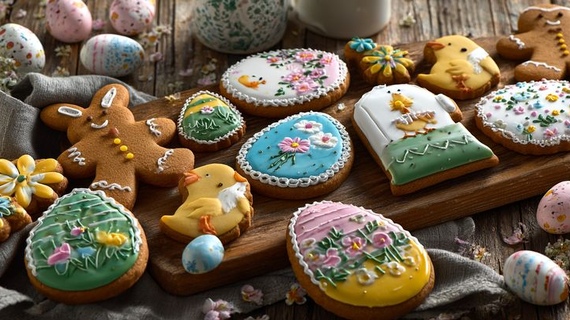
Think of the selection as a small cast of characters. One item should make the first impression, another should offer comfort, and a third can provide a pleasant surprise. Decorated gingerbread often becomes the visual centrepiece because it can carry a name, festive motif or short message.
Texture matters too. Soft honey gingerbread brings warmth and tenderness, while a crisp biscuit adds contrast. A small piece of cake, a chocolate-coated treat or a few roasted nuts can complete the experience without making the hamper feel heavy.
For a Manchester family gathering, the centrepiece might feature a bee motif, a local architectural detail or colours inspired by the recipient's favourite football club. For an office present, a restrained design in company colours usually feels more elegant. Local references work best when they are affectionate and subtle.
Consider who will open the box
The finest pairing is one that reflects the person receiving it. Before ordering, think about their daily habits. Do they begin the morning with strong coffee? Do they collect loose-leaf teas? Would they prefer one impressive centrepiece or several small portions to share?
Use this short checklist:
- Confirm whether the recipient prefers tea, coffee or both.
- Ask about allergies, intolerances and ingredients they avoid.
- Consider whether the hamper will be shared at home or opened at work.
- Select decorations linked to the occasion, season or recipient's interests.
- Check storage guidance and the date on which the gift will be presented.
- Add a note explaining the suggested pairings.
Dietary care should never feel like an afterthought. Clear ingredient information gives the recipient confidence and prevents an otherwise lovely surprise from becoming awkward. Where children may share the box, softer flavours and familiar designs are often appreciated. Adults may enjoy darker cocoa, stronger spice or less sugary finishes.
Add cake without upsetting the balance
Cake can make a festive set feel especially celebratory, but portion and structure are important. A full-sized centrepiece suits a family table, whereas individually wrapped slices, miniature loaves or compact cake bites are easier to include in a hamper.
When selecting bespoke cakes in Manchester, consider how the cake will travel and when it will be eaten. Buttercream, glaze, ganache and fondant behave differently during delivery and storage. The maker can recommend a finish that remains attractive while complementing the chosen drink.
Coffee pairs naturally with chocolate, walnut, caramel and coffee-infused sponge. Black tea welcomes fruit cake, ginger cake and lemon drizzle. Earl Grey can be delightful beside vanilla sponge or citrus flavours, while chai suits honey, cinnamon and warming spice.
Presentation should support the experience
Good packaging protects the sweets, but it also sets the mood. A restrained colour palette, food-safe tissue, sturdy compartments and a handwritten card create a sense of care. Each item should remain visible and easy to remove without disturbing the rest of the arrangement.
In England, festive hampers often travel between homes, offices and seasonal gatherings, sometimes by train or through wet winter streets. Secure packaging is therefore part of the gift, not merely a practical extra. It keeps icing intact, prevents flavours from mixing and ensures the box looks inviting when opened.
A small ritual makes the gift memorable
Include a simple serving suggestion, such as warming the cake slightly, brewing Earl Grey for three minutes or enjoying the darkest biscuit with an after-dinner espresso. This turns the assortment into an experience rather than a collection of snacks.
The most successful festive sets are rarely the largest. They are the ones that feel personal. A favourite drink, a well-matched flavour and a decoration connected to a shared memory can make someone feel genuinely seen. That quiet attention is what transforms tea, coffee and handmade sweets into a gift worth remembering.