

Choosing a crowd-pleasing dessert without playing it safe
Why the final course matters so much
A dessert often becomes the last clear memory of a celebration. Guests may forget which side dish accompanied the main course, yet they will remember a beautifully decorated biscuit, a fragrant slice of cake or an unexpected flavour that sparked conversation around the table.
Choosing that final course can feel surprisingly difficult. One person avoids nuts, another dislikes rich buttercream, children want something playful, while older relatives may prefer familiar flavours. Add dietary requirements and the pressure rises quickly.
The solution is not to search for one universally perfect sweet. It is better to choose something flexible, recognisable and thoughtfully presented. Sensory research consistently suggests that enjoyment is shaped by more than taste alone. Aroma, texture, colour, portion size and even the story behind an item influence how people respond to it.
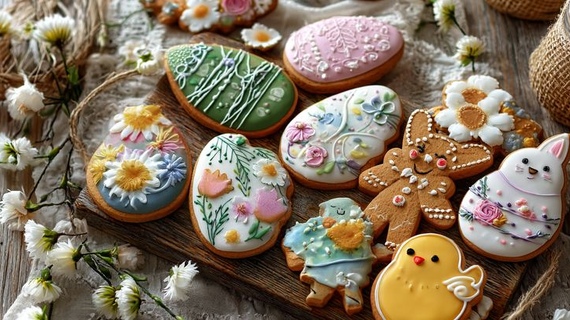
For a family gathering in Didsbury, for example, individually decorated biscuits can reflect the occasion without forcing every guest to commit to a large serving. Choosing custom decorated gingerbread in Manchester also allows the host to combine different shapes, colours and personal details within one coordinated collection.
Begin with the people, not the menu
Before deciding between gingerbread and cake, think about who will be attending. A formal wedding reception has different needs from a relaxed birthday tea in a Northern Quarter venue. The number of guests, their ages and the way they will eat all matter.
Ask yourself:
- Will people be seated, standing or moving between activities?
- Are there children, elderly guests or anyone with known allergies?
- Does the event need a dramatic centrepiece or convenient individual portions?
- Will the sweets be served immediately, taken home or offered throughout the day?
- Which flavours already appear elsewhere on the menu?
These questions quickly narrow the options. A layered centrepiece works beautifully after a seated meal, while decorated gingerbread is easier to share during a community event, office gathering or garden party. For a mixed crowd, combining a modest cake with individual biscuits can be especially effective.
Familiar flavours create a welcoming mood
When guests have very different preferences, familiarity is reassuring. Vanilla, chocolate, citrus, caramel, honey and gentle spices tend to feel accessible because people recognise them immediately. That does not mean the result must be ordinary.
A classic flavour can gain character through its finish. Lemon cake might be paired with raspberry filling, while honey gingerbread can feature delicate floral decoration inspired by an English summer garden. Chocolate becomes lighter when balanced with berries rather than several heavy layers of icing.
Texture deserves equal attention. Some guests enjoy crisp edges, others prefer a soft crumb, and many appreciate contrast. A tender cake with a smooth filling feels more interesting when accompanied by a neatly baked biscuit. International pastry trends increasingly favour this balance, using familiar foundations with one memorable twist instead of combining too many competing elements.
Let one detail provide the surprise
A common mistake is trying to impress through excess. Five fillings, several strong colours and elaborate decorations may look ambitious, but together they can overwhelm the senses. One distinctive feature usually creates a stronger impression.
That feature might be:
- A colour palette inspired by the invitation or venue
- A subtle local reference, such as Manchester bees or red-brick architecture
- One seasonal flavour, including blackberry, apple or warming spice
- A personalised name, date or short message
- Two textures that complement rather than compete with each other
This approach works particularly well for natural ingredients gingerbread in Manchester, where honey, spices and careful baking can provide depth without relying on an overly complicated recipe. Attractive decoration then gives each piece personality while keeping the flavour approachable.
Presentation helps hesitant guests say yes
People often decide whether to try a sweet before they know how it tastes. Clean decoration, balanced colours and sensible portions make the choice feel inviting. Oversized slices may discourage guests after a full meal, whereas smaller servings allow them to enjoy the experience without feeling committed to something too rich.
At a Manchester baby shower, for instance, a table of pale green and cream biscuits can feel elegant without becoming formal. At a lively family birthday in Chorlton, brighter shapes and a cheerful centrepiece may suit the atmosphere better. Neither choice is automatically superior. The right presentation reflects the people in the room.
Individual portions also reduce awkwardness. Guests can select what appeals to them, parents can manage children’s servings, and hosts avoid spending half the celebration cutting uneven pieces. Wrapped gingerbread may double as a thoughtful favour, extending the pleasure beyond the event itself.
Plan for dietary needs with care
Inclusivity should be part of the initial conversation, not a hurried adjustment at the end. Ask about allergies and intolerances early, then discuss what can realistically be produced without compromising safety or quality.
Clear communication matters particularly where severe allergies are involved. A recipe may omit a certain ingredient, yet the kitchen could still handle it elsewhere. Guests deserve accurate information rather than vague reassurance.
Variety can help when preferences rather than medical requirements are the main concern. Offering two complementary flavours gives people a genuine choice while preserving a cohesive display. Keeping portions modest also makes it easier for curious visitors to sample both.
Match the format to the occasion
A decorated biscuit is portable, durable and easy to personalise. Cake creates a shared moment, especially when candles, speeches or photographs form part of the celebration. The strongest decision comes from understanding how the dessert will function during the event.
For weddings, anniversaries and milestone birthdays, unique celebration cakes in Manchester can bring the design together and provide a natural focal point. The decoration might echo flowers, stationery or a meaningful place, while the inside remains deliberately familiar enough to please a broad range of guests.
A corporate reception may need neat pieces that can be served efficiently. An afternoon tea at home allows more freedom, since the host can offer both sliced cake and gingerbread. Outdoor occasions call for practical choices that cope well with transport, warmer temperatures and limited table space.
The best choice feels personal, not risky
Demanding guests are rarely searching for the most complicated option. More often, they want quality they can recognise: a pleasant aroma, balanced sweetness, an appealing texture and decoration that suits the moment.
A skilled maker can translate scattered ideas into a coherent result. Share the guest profile, venue, season, serving plan and any restrictions. Photographs of invitations or table decorations can help, but there is no need to design every detail yourself.
Ultimately, a successful dessert makes people feel considered. It welcomes cautious eaters, delights enthusiastic ones and gives the gathering a warm final note. When flavour, format and presentation work together, even the most particular guest is likely to find something worth enjoying.