
Edible greetings that people keep: gingerbread message cookies as the new gift card in England
Why an edible message changes the whole unboxing
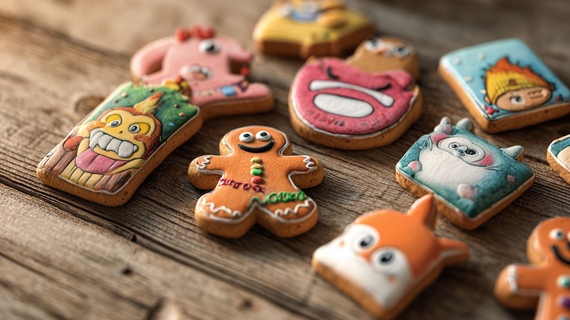
Gift-giving is a small theatre of emotion. The moment a ribbon loosens, anticipation builds, and a card does the heavy lifting of meaning. Now imagine the message is not paper at all but a hand-iced gingerbread cookie that looks like a tiny tag. It smells like cinnamon and honey, it photographs beautifully, and it becomes part of the experience rather than a separate insert. For independent makers and small brands across England, this simple switch turns packaging into a keepsake that gets eaten with a smile. It cuts waste, adds flavour, and nudges recipients to share photos with friends. That is organic reach powered by delight.
Local makers report that edible tags reduce forgotten cards in busy periods and make hampers feel more cohesive. Customers read the note, snap a photo, then enjoy the cookie with tea. Teams say it feels warm and human, not scripted. For corporate sets, branded gingerbread gifts in Manchester are gaining traction because they travel well, hold colour reliably, and carry clean logos when piped by a steady hand. The result is a neat balance of craft and brand consistency.
Real cases from England’s high streets
A Northern Quarter design studio added cookie tags to client hampers at Christmas. Their photographer counted how often the gift appeared on social media compared with the previous year. Posts doubled and replies to their thank-you emails increased. In Leeds, a boutique homeware shop trialled tiny heart cookies with “made with care in Yorkshire” on Mother’s Day. They sold through faster than any previous seasonal range. In Brighton, a start-up sent welcome packs with biscuit tags shaped like speech bubbles for new hires. People photographed their name in icing and posted it on day one. Staff felt seen. HR felt the lift in culture.
Where edible cards work best
- Welcome packs, brand launches, and thank-you drops where you want a warm first impression
- Seasonal hampers for Christmas, Diwali, Eid, or Easter with coordinated ribbon and icing palette
- Wedding favour bags and baby shower boxes where names or dates make memories tangible
- Press kits and influencer sends that need to look fresh on camera and travel safely by courier
- Corporate gifting to key accounts where subtle branding reinforces relationship value
How to brief and design an edible gift tag
Start with the purpose. Is the cookie a sentiment, a signature, or a subtle brand mark. Purpose guides shape, size, and icing style. Tags work from 5 to 7 centimetres, large enough for a few words yet compact enough to tie on with twine. Rounded rectangles or classic luggage-tag silhouettes sit nicely on boxes and jars. For the message, keep it short. “Thank you”, “Welcome”, “Just for you”, or a name and date reads clearly and avoids cramped script.
Bakeries typically produce palette tests so you can check Pantone approximations under daylight and warm bulbs. Icing dries slightly darker than when piped. If you need one-of-a-kind names or batch codes, personalized gingerbread treats in Manchester can handle variable data in small runs. That is perfect for limited series, loyalty surprises, and VIP lists.
Materials that work with cookies
- Cellophane sleeves with micro-perforation keep the cookie crisp without trapping moisture.
- Cotton or jute twine suits rustic boxes while satin ribbon fits luxury hampers.
- If the cookie is unwrapped, ask for a food-safe card disk beneath it so butter does not mark tissue.
- For labels, include a small allergen note and a best-before date on the back of the main box. It shows care and keeps you compliant.
Design checklist you can hand to your baker
- Final message text and any names that need to be piped
- Preferred shape and approximate size in centimetres
- Hex or Pantone references for two icing colours and a neutral base
- Logo file in SVG or high-resolution PNG if branding is required
- Delivery and storage plan so packaging choices match transit time
- Allergen statement, ingredient notes, and shelf life target
The sustainability bonus without sacrificing polish
Paper cards are lovely but often binned within minutes. An edible tag replaces that single-use insert and pairs well with recycled tissue, paper tape, and cardboard cradles. Makers across England are switching to compostable sleeves where humidity allows. Even small swaps cut waste at scale. When a thousand hampers lose their paper card, that is a noticeable reduction in bulk and cost. The aesthetic remains premium because gloss royal icing reads as high craft. The environmental story becomes part of your brand narrative in a way that feels sincere rather than performative.
Pricing, lead times, and quality control
Costs vary with size, icing complexity, and the number of unique names. Simple shapes with one message are efficient. Multiple names or two-tone borders add time per piece. Most small studios can turn around a few hundred in a week during calm periods, but book early for November and December. Ask for a pre-production sample to check legibility and colour under real lighting. Photograph the sample on your actual packaging to see how the set plays on camera. Good bakers will adjust stroke width, spacing, or outline weight so the message stays crisp after drying.
Shelf life and transport across England
Gingerbread holds well when baked to the right snap and sealed correctly. For nationwide courier routes, choose individual sleeves and snug secondary packaging so cookies do not rattle. If your gifts sit on desks before handing out, keep them in a cool, dry spot away from sunny windows. A plain card explaining storage helps recipients enjoy the cookie at its best. For large office drops, brief the front desk in advance and label boxes by floor. Small logistics touches protect your investment.
Scaling the idea for events and teams
Once edible tags are in place, you can scale sideways into small table treats, place cards, or welcome tray items that match your packaging colour story. Product training kits look sharper when the instruction leaflet is paired with a cookie version of the call to action. For end of quarter celebrations, you can mirror the tone of the gift with a cake centrepiece and cookie tags on each box. In practice, corporate gift cakes in Manchester often go out with a set of matching mini cookies that double as edible cards for individual team members. People gather, snap, and share, and your message travels further than a printed note ever could.
Keeping the human touch as you grow
Automation is tempting at volume, yet the charm of edible cards is the visible hand of a maker. Some brands solve this by standardising shapes and colours while keeping messages short and genuine. Others keep a small run of hand-piped pieces for VIPs and use stamped fondant for the wider team. Either way, aim for consistency in tone. Friendly wording, clean alignment, and a neat tie make each box feel deliberate. When recipients can feel the care, they remember the giver, not just the treat.
Bringing it all together
Edible messages turn packaging into a moment that lingers. They photograph well, reduce waste, and deliver an aroma that paper cannot. In England’s crowded gifting season, that extra note of craft helps independent makers, boutiques, and brands stand out. Start with a clear purpose, brief your baker with specifics, and let the cookie carry the line you want someone to hear. The gift lands softer, the story feels warmer, and the memory lasts longer than any card tucked under a ribbon.