

From centrepiece to conversation starter: cake decoration ideas British hosts are loving right now
Why the cake sets the tone
A celebration has many moving parts, but the cake quietly does the heavy lifting. It is the moment everyone gathers, the photo that goes into family chats, the flavour guests talk about on the train home. In England, where taste skews toward well-balanced sweetness and clean finishes, decorations are expected to look effortless while holding up under travel, photographs and a room full of phones pointed at them.
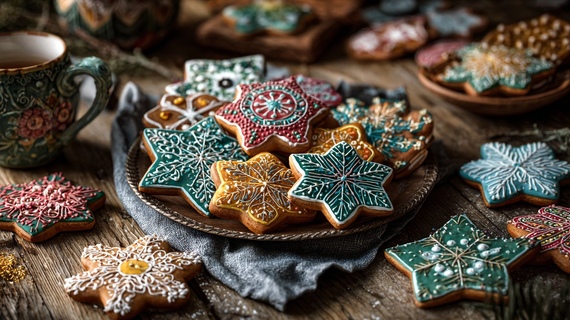
Think of the cake as a stage. Everything you add should amplify the story of the day. For winter engagements, subtle sparkle with sugar pearls feels like frost on a crisp morning. For a child’s garden party in Didsbury, bright buttercream flowers can echo real blooms on the table. And for small city-flat celebrations, a beautifully finished single tier can be more striking than three tall tiers. When you want a playful accent with texture and crunch, consider a ring of seasonal biscuits around the base - this is where handmade gingerbread in Manchester blends charm with practicality, creating a tactile border guests instinctively lean in to admire.
Ideas that make guests gather round
Decoration trends evolve, but a few ideas consistently deliver delight without fuss or faff. Choose one strong idea, keep the rest restrained and let your baker handle the mechanics.
- Pressed botanicals set into thin white chocolate shards for a meadow effect that suits countryside venues from Cheshire barns to Lancashire halls.
- Palette-knife florals that feel painterly rather than piped, giving movement and depth without needing heavy sugar flowers.
- Edible gold leaf used sparingly on crisp edges to catch candlelight at evening dinners in converted mills or modern lofts.
- Monochrome cakes with a single accent colour pulled from the invitation palette for a polished, editorial look.
- Biscuit toppers cut to match a theme - from tiny football shirts for Moss Side birthdays to little bee silhouettes for summer naming days.
Textures, heights and edible architecture
Texture does a lot of work in British light. Overcast skies soften colours, so structure and surface become more important. A ridged buttercream wrap instantly reads well in photographs. Chocolate collars add height without wobble. If you love a tall profile but worry about transport on the M60, ask for a faux tier - a decorated dummy that lifts the design while keeping cost and stress under control.
Sugar lace vs wafer magic
Sugar lace brings romance, but wafer paper petals are lighter and handle humidity better in seaside venues. Wafer elements can also travel flat and be assembled on site, reducing the risk of cracks.
Hand-painted details that don’t smudge
Alcohol-based edible paints set quickly and resist fingerprints. A soft watercolour wash paired with one sharp line illustration - a skyline of Manchester’s Beetham Tower or the arches of Castlefield - reads stylish without tipping into novelty.
Bring people into the making
The most memorable cakes often involve the guests, not just the baker. Families are inviting friends to add a single biscuit tile, a tiny initial or a sugar leaf to a side panel at the start of the party. It becomes a calm, social moment that produces something beautiful and uniquely yours. Hosting a small Gingerbread Decorating Workshop the day before gives children a sense of ownership and provides ready-made toppers that double as party favours. Internationally, participatory elements like this have been shown to increase post-event sharing and keep-sake value because guests see their own handiwork in the final photographs. Locally, it speaks to a Mancunian love of craft, from community pottery classes to independent makers’ markets.
Flavour-first decorations that still photograph well
British palates lean toward balance, so consider decorations that bring flavour, not only looks. Torch-kissed meringue gives drama without overpowering sweetness. A ring of roasted nuts and candied citrus on a mascarpone finish feels grown-up and pairs well with tea or dry English sparkling wine. In autumn, a honey-brushed sponge with cinnamon crumble edge looks rustic yet intentional. If you’re using biscuits on the sides, ask for a slightly softer bake so the first bite is pleasant, not brittle, and for a whisper of spice that complements rather than competes with the sponge.
Local touches Manchester loves
Manchester is brilliant at mixing industrial character with warmth. Metallic accents nod to the city’s heritage while fresh herbs - rosemary, lavender, mint - bring garden fragrance to urban tables. A single sugar cotton boll or worker bee motif can be more meaningful than a dozen generic flowers. For community events, consider a cake flanked by trays of small iced biscuits stamped with street names or local team colours. Guests feel seen, and the cake becomes a gentle celebration of place.
Sustainability without the lecture
Hosts increasingly ask for beauty with less waste. There are easy wins. Choose natural colourings for softer tones that feel modern. Keep sugar flowers to a minimum and repurpose them on cupcakes for the next day’s brunch. Use reusable acrylic toppers with names or dates that can live on a shelf later. Ask your baker to design with clean slicing in mind so every piece carries a bit of decoration - nobody wants a plate of plain frosting while the Instagram slice hogs the roses.
How to brief your baker for results that match the mood
Clarity at the start saves revisions later. Bring two or three inspiring images, not twelve. Point to what you like in each - the edge finish, the palette, the height. Share the venue’s light and table layout so the baker can anticipate how the cake will be seen.
- Describe the feeling you want guests to have at the reveal - cosy, elegant, playful or bold - and prioritise one word.
- Note transport challenges, lifts or stairs, and whether the room is warm or drafty so structure and coatings can be chosen wisely.
- Confirm the cut time to plan finishes that still look sharp at 9pm.
- Decide where edible biscuits, sugar details or small keepsakes will sit so nothing competes with the focal point topper.
- Set a short list of non-negotiables - a colour, a motif, a flavour - and give your baker freedom on the rest.
When you want names, dates or motifs integrated thoughtfully rather than slapped on top, look for specialists in personalised cakes in Manchester who can balance clean lines with character. The best decorators will push back gently when something risks the stability of the slice or the integrity of flavour. That collaboration is what turns a nice design into a true centrepiece.
Case notes from recent English celebrations
A 50th in Chorlton opted for a single tall tier with a slate-grey buttercream, a thin gold leaf seam and a crown of fresh thyme. It looked architectural against brick and timber, sliced like a dream and photographed beautifully under warm Edison bulbs. A Stockport christening used biscuit stars brushed with pearl dust around a soft white cake - the stars went home in little paper bags, and the hosts reported zero leftovers and a flurry of thank-yous the next morning. In both cases, the decorations were chosen to survive real conditions - transport, room temperature, children’s hands - rather than exist only for a photograph.
Final thought
The best-decorated cakes don’t shout. They listen - to the room, to the people, to the story you are trying to tell. Keep the design intentional, let flavour lead, and add one detail that invites guests closer. That is how a cake becomes the centre of a celebration and the beginning of the next conversation.