

From inspiration photo to a cake that feels entirely yours
A photograph is a starting point, not a mould
You have found it: a beautiful cake on Pinterest, Instagram or a friend’s wedding album. The colours suit your celebration, the flowers look effortless, and the finish seems perfect. Sending that picture to a cake maker is an excellent way to begin. It gives both sides a shared visual language and makes an idea far easier to discuss.
Yet a reference image is not a factory specification. It may show another artist’s signature work, use editing or feature ingredients unavailable in England. A thoughtful maker will study its mood, proportions and details, then translate those qualities into a fresh design for your occasion.
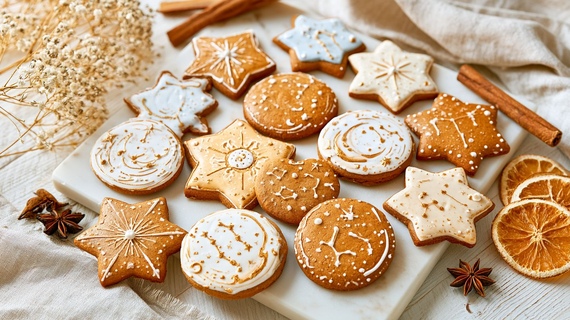
For example, a Manchester family might share a photograph of a pale woodland cake for a child’s autumn birthday. Instead of copying every mushroom and leaf, the maker could retain the warm palette, add the child’s favourite fox and coordinate themed gingerbread in Manchester as table favours. The result feels connected to the inspiration while belonging to one family alone.
Why the finished cake can look different
A phone screen hides more than people realise. Filters cool whites, deepen shadows and alter icing colours. Camera angle can make a cake look taller, while close cropping disguises its actual diameter. Decorations may also be non-edible display pieces, and flowers shown online may not be safe for direct contact with food.
Small changes can come from practical decisions too:
- Portion count affects diameter, height and the number of tiers.
- Buttercream gives a softer finish than sharp-edged fondant.
- Seasonal fruit and flowers vary in colour, shape and availability.
- Room temperature, transport distance and venue access influence structure.
- Handmade figures naturally carry the individual touch of their maker.
None of this means accepting a lesser cake. It means creating one that tastes good, travels safely and works in the room where it will be served. Across professional studios in Britain and abroad, reference-led commissions are strongest when clients approve the creative direction rather than expect a millimetre-perfect replica.
How to brief your maker clearly
Start by explaining what you love in the photograph. Is it the dusty blue colour, the generous piping, the tiny sugar flowers or simply the feeling of quiet elegance? One person may adore the palette but dislike fondant. Another may want the same tall silhouette, yet prefer lemon and elderflower to chocolate.
Then share the essentials: date, venue, guest number, flavour preferences, allergies and budget. If you are collecting in Greater Manchester, mention the journey and the vehicle available. A three-tier cake travelling across the Pennines needs a different plan from a small celebration cake carried ten minutes through Didsbury.
Useful details to send with the photograph
- Mark the elements you definitely want to keep.
- Note anything you would like removed or softened.
- Send pictures of invitations, flowers or venue styling.
- Confirm the wording, names and spellings in writing.
- Ask which parts will be edible and which must be removed.
- Allow room for the maker to suggest safer or more elegant alternatives.
A coordinated dessert table can also broaden the idea without overcrowding the main design. For a baby shower, for instance, personalized gingerbread treats in Manchester might carry the guest of honour’s name, while the cake keeps only a small monogram. Repeating one shade or motif creates harmony without making every item identical.
What a good consultation should establish
By the end of the conversation, you should understand the proposed size, flavour, finish, major decorations, collection or delivery arrangements and total price. Some makers provide a sketch or written design summary. Read it carefully. A sketch communicates placement and balance, but sugar flowers and hand-piped details will still have natural variation.
Colour deserves particular care. “Sage green” can mean grey-green to one person and a much warmer botanical shade to another. Screens display tones differently, so fabric swatches, printed stationery or standard colour references are more reliable than a heavily filtered screenshot. Even then, butter and cocoa can subtly influence edible colours.
Originality is part of the value
There is also an ethical reason not to demand an exact duplicate. The cake in your photograph may be the intellectual and creative work of another decorator. Asking a new maker to interpret its atmosphere, rather than reproduce every feature, respects both artists. It also gives you something more meaningful than a copy.
Imagine a couple holding a winter reception in a converted mill near Ancoats. Their reference shows a snowy cake from a Canadian studio, designed for a very dry climate. A Manchester maker might adapt the coating for local humidity, use sturdier sugar foliage and echo the brick venue with delicate copper accents. Guests will not see a compromise. They will see a design that appears made for that particular room.
A confident way to approve the design
Before paying the final balance, compare the written proposal with your priorities. Check names, quantities, dietary notes and timings. If a feature matters deeply, say so early and plainly. If the maker explains that a technique will not survive transport or cannot be recreated safely, welcome an alternative rather than waiting for a last-minute surprise.
When ordering bespoke cakes in Manchester, the best question is not, “Will it be identical?” Ask, “Will it capture what I love and suit my celebration?” That shift opens the door to better proportions, thoughtful flavours and details linked to your own story.
A reference photograph should spark a conversation, not close it. With a clear brief, realistic expectations and trust in skilled hands, the final cake may differ from the original picture. More importantly, it can feel more personal, more practical and far more memorable when it reaches the table.