

Gingerbread that elevates your wedding decor: from sweet idea to signature look
Why edible decor is winning modern weddings
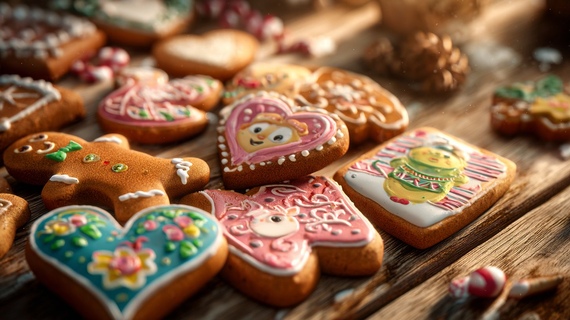
Couples want things guests will actually remember. Flowers are beautiful, but they fade by Monday. Edible decor feels personal, photogenic, and useful, which is why it is quietly becoming a headline trend across England. Manchester venues see it often at welcome tables, on cake stands, and threaded through table settings. For pairs planning a city celebration, wedding gingerbread in Manchester brings place, story, and flavour together in a way that reads both modern and nostalgic.
Beyond aesthetics, there is practicality. You do not need storage for favours after the party, because guests eat them. You reduce waste, because decorations double as gifts. You also unlock more storytelling. A biscuit can carry the line art from your invites, a sketch of your venue’s facade, or colours borrowed from bridesmaid dresses. You give people something to admire, then something to enjoy.
Designing gingerbread that belongs to your venue
A good starting point is the room itself. If you are marrying at Victoria Baths, reference the green tiles and vintage lettering. At the Whitworth, echo gallery textures with minimalist glazing and matte finishes. In the Northern Quarter, lean into bold colour and playful type. Tie designs to surfaces your guests will already photograph — signage, tiles, arches, ironwork — so the biscuits feel inevitable rather than added on.
Colour, motif, and texture
Pick two key colours, then let icing do the rest. Off-white with sage sits well in rustic barns near Greater Manchester. Black line art with soft blush suits industrial spaces in Ancoats. Honeyed browns with ivory piping feel timeless in country houses across Cheshire. Keep motifs simple: monograms, date stamps, rooflines, tram silhouettes, or a tiny map heart over the city.
Scale and layout that guests can actually eat
Oversized biscuits read beautifully in photos, but smaller sizes are easier to place at every setting. Mix a few statement pieces with a collection of delicate shapes. Ribbons help you hang hearts on chair backs. Mini plaques tuck into napkins. If your venue has a long bar, build a neat gingerbread run beside candles and foliage so guests see it as soon as they order a drink.
Where gingerbread makes the biggest impact
Think through the day like a guest. People arrive curious, relax during drinks, then linger at tables.
- Welcome moment: a sign made of gingerbread on an easel near the entrance sets tone and tells a story.
- Drinks hour: a grazing board with petite houses and leaves gives cameras something pretty while musicians warm up.
- Table settings: a personalised place marker doubles as a favour and solves a seating puzzle at once.
- Cake table: a ring of biscuits around the base frames photographs without stealing the spotlight.
Locality matters too. In Didsbury and Chorlton, garden venues love botanical shapes. In Castlefield, canal bridges inspire geometric lines. In Hale, monogrammed shields suit classic black tie. Match form to neighbourhood energy and your styling feels rooted.
Craft matters: how handmade detail lifts the room
Hand-piped details sit somewhere between calligraphy and illustration. They add depth and quiet luxury without shouting. The trick is restraint. Choose one focal technique — brush embroidery, lace work, stained glass, or gilding — and repeat it across sets. Consistency makes a mixed display read as one coherent installation.
There is also a practical trust factor. Guests recognise quality when edges are clean and icing is crisp. That is why couples increasingly ask for custom decorated gingerbread in Manchester rather than generic imports. Fresh bakes carry better texture, brighter spice, and a finish that holds under venue lighting for hours.
Taste that matches the look
Flavour is part of the design. A darker bake with treacle pairs well with winter weddings at the Monastery Manchester. Lighter spice with orange zest suits spring receptions at Heaton Park. Consider one gluten-free tray and a few dairy-free options. Discreet labels keep everything guest-friendly.
Budget smart, not small
You do not need a room full of biscuits. Focus spend where cameras concentrate.
- One statement display for hero photos — usually the welcome or cake zone.
- One personal touch per guest — a place name or mini heart tied with ribbon.
- A handful of large keepsake pieces — venue silhouette, monogram plaque, or a map of the city.
Ask your maker to propose a tiered plan. Start with essentials, then add accents only if money remains. Intelligent editing looks deliberate, not sparse.
Logistics that save time on the day
Organisation protects the look you worked for. Deliver in labelled trays by table or zone. Pack an emergency kit with spare ribbon, food-safe dots, and a few backup hearts in case a flower girl sneaks an early treat. Agree installation windows with the venue, and provide a simple placement sketch so the coordinator can help if timings shift.
A five-step plan for a stress-light install
- Confirm final guest list and spellings 10 days out.
- Share venue access times and table layout the week before.
- Keep boxes small so volunteers can carry them quickly.
- Photograph each tray before sealing — it doubles as an unpacking guide.
- Ask the photographer for 5 minutes on the display before guests enter.
How gingerbread and cake work together
Think of the cake table as a set. The cake is your anchor, biscuits are the frame, and tiny accents are the sparkle. Repeating shapes from the biscuits on the cake — a lace edge, a tiled motif, or a simple monogram — ties everything together. That is why couples who book custom wedding cakes in Manchester often plan both commissions in one conversation. One palette, one story, two mediums, one cohesive look.
Display tricks used by stylists
A riser under the cake creates room at the base for biscuit borders. Low candles add warmth without stealing attention. A linen runner brings softness that flat surfaces cannot. If the venue lighting is cool, ask for warmer bulbs near the table so caramel tones read delicious rather than grey.
Mini case notes from local weddings
At an Ancoats warehouse, a couple commissioned biscuit skylines of the city. They lined the bar with them, then sent guests home with matching place markers. Photos went viral on family feeds by brunch. In Hale, a garden ceremony used pet-shaped biscuits tied to bouquets for the bridal party. People smiled, then saved them for the ride home. At Victoria Baths, a teal-and-cream palette lifted the historic tiles, while little date-stamped hearts helped late arrivals find seats without fuss.
After the day: keeping one piece for yourselves
Ask for one boxed keepsake — a larger plaque with your date and venue name. Store in a dry, dark cupboard. You may nibble it on your first anniversary, or simply keep it as a tiny, lovely relic of the day.
Working with your maker like a creative partner
Bring your invitation, a fabric swatch, and two or three reference photos. Share one sentence about the mood: modern city supper, cosy garden lunch, or gallery-chic evening. Makers translate feelings into shapes and lines. When the brief is clear, the output looks effortless. You are not buying biscuits — you are commissioning a small, edible identity for your celebration.
A final word of encouragement
Manchester weddings have character. Let yours taste like it looks. If the city is part of your story, gingerbread can make that visible from the first hello to the last sparkler. Guests will snap it, eat it, and talk about it on the train home. That is the win: style that feels generous.