

How gingerbread shapes a company’s identity: from taste to trust
Why sweet details matter in branding
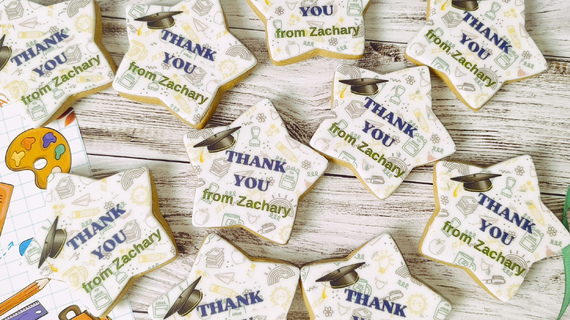
When people think of branding, they often picture logos, colour palettes, or social media campaigns. Yet subtle, edible details can carry just as much weight. Imagine arriving at a networking event where the welcome table offers bespoke gingerbread in Manchester decorated with a company’s logo. The gesture is small, but the impression is lasting. Guests not only see the brand, they taste it, smell it, and take a piece of it home. In competitive cities like Manchester, where businesses of every size fight for attention, unique touches like this can mean the difference between being forgotten and being remembered.
The idea of using gingerbread as part of corporate identity has gained popularity across Europe. From conferences in Berlin to boutique launches in London, personalised treats help businesses create a sense of warmth and authenticity. Instead of pushing a slogan, they invite people into an experience.
How gingerbread tells a story
The appeal lies in storytelling. Food speaks a universal language, and gingerbread in particular carries tradition, comfort, and celebration. When carefully designed, a biscuit can symbolise values such as reliability, creativity, or innovation. Local artisans often work with businesses to design shapes, colours, and icing styles that reflect these values. A law firm might choose minimalistic designs in muted tones, while a children’s charity could opt for playful shapes filled with vibrant patterns.
Even the ingredients matter. Many companies now request recipes with natural flavours or regional honey to reinforce sustainability and care for community. A biscuit made with local honey is more than a sweet – it becomes a statement of belonging and responsibility.
Key benefits for companies
Using branded gingerbread as part of corporate strategy can offer several advantages:
-
Strengthening recognition through edible logos or colours.
-
Providing conversation starters at events and trade shows.
-
Creating positive emotional associations with the brand.
-
Offering versatile gifts for clients, partners, and staff.
-
Demonstrating creativity and originality in crowded markets.
Why personalisation makes the difference
Generic gifts rarely leave a mark, but tailored details often do. Think of a client receiving custom decorated gingerbread that includes not just a logo but a meaningful symbol related to their business. It is far more memorable than a standard pen or notepad. This level of attention shows respect and thoughtfulness.
Manchester businesses in particular value originality. The city has a strong culture of creativity – from its music heritage to its thriving design community. Bringing that culture into corporate relationships through personalised bakes feels both modern and authentic. International examples also support this: in New York, companies use decorated biscuits as part of press kits, while in Tokyo branded sweets appear at seasonal launches. The strategy works across borders because it blends tradition with innovation.
Practical tips for businesses
Companies considering gingerbread as part of their branding can start small:
-
Collaborate with local bakers to design simple shapes that fit the brand.
-
Use seasonal campaigns such as Christmas or Easter to test reception.
-
Pair edible gifts with events or presentations for stronger impact.
-
Experiment with packaging to extend the message – recycled boxes, ribbons in brand colours, or printed cards.
-
Collect feedback from recipients to see which designs resonate most.
Creating connections through celebration
One of the strongest ways to use gingerbread is during company milestones. Product launches, anniversaries, or community events all benefit from an edible detail that participants can share. It transforms an ordinary gathering into a sensory experience.
For instance, when a start-up in Manchester celebrated its first investment round, it gifted biscuits shaped like rockets with inspiring words written in icing. The gesture reflected ambition and lifted morale across the team. Similarly, a design agency used gingerbread with paintbrush motifs during an exhibition, subtly underlining its creative core.
These moments often appear on social media, amplifying the brand’s presence beyond the event. Guests post photos of unique biscuits, tagging the company, and spreading its story further.
Extending the concept with cakes
While gingerbread carries everyday charm, larger celebrations often call for something grander. That is where cakes enter the picture. Imagine marking a corporate anniversary with themed celebration cakes that match the company’s colours and vision. Such creations not only delight attendees but also act as centrepieces that communicate values in a highly visible way.
In Manchester, cakes decorated for business events often feature layers of design – logos, city symbols, or even slogans crafted from sugar paste. Like gingerbread, these cakes embody identity, but they also provide scale and spectacle. For clients or employees, cutting into such a cake becomes a shared ritual, reinforcing unity and pride.
A sweet investment in identity
The future of branding is not just digital. Human connection still thrives on experiences that are tactile, flavourful, and memorable. By embracing creative baking as part of brand storytelling, companies signal openness, innovation, and care. Whether through a single biscuit or a multi-tiered cake, the message remains the same: our brand is more than a logo, it is a taste you will not forget.