

How to choose an anniversary cake that feels personal at every age
Start with the person, not the decoration
An anniversary cake should feel like a portrait in sugar. Before choosing colours, tiers or flavours, think about the person being celebrated. What makes them laugh? Which memories matter most? Do they enjoy elegant details, cheerful surprises or quiet family traditions?
Age can guide the design, but it should never limit it. A lively 70-year-old who travels, dances and follows fashion may prefer a bold contemporary centrepiece. Meanwhile, a 30-year-old who loves vintage cinema might be delighted by a refined Art Deco creation.
The strongest designs usually combine three elements: personality, shared memories and the atmosphere of the event. For example, a Manchester family celebrating their grandmother's 80th birthday chose a garden-inspired cake with hand-piped sweet peas because she had grown them for decades. Small packets of birthday gingerbread in Manchester, decorated like seed envelopes, became thoughtful favours for the guests.
Match the design to the milestone
Some ages naturally carry a particular emotional weight. An 18th or 21st birthday often marks independence, while a 40th may celebrate confidence and new ambitions. At 60, 70 or 90, family history frequently becomes the heart of the occasion.
Useful starting points include:
- For an 18th or 21st, consider music, travel, university life or favourite hobbies.
- For a 30th or 40th, use confident colours, modern textures or a witty personal reference.
- For a 50th or 60th, explore family photographs, career achievements and memorable journeys.
- For a 70th, 80th or 90th, choose meaningful flowers, places, traditions or symbols of family life.
These ideas are not strict rules. They are conversation starters. A good maker will listen carefully and turn scattered memories into a coherent visual story.
Let the venue set the mood
The same cake will look very different in a village hall, a Manchester restaurant or a country-house ballroom. Its proportions, finish and level of detail should suit the room rather than compete with it.
A relaxed afternoon tea calls for charm and warmth. Buttercream, pressed flowers, miniature cakes or a single decorated tier may feel just right. For a formal evening dinner, sharper lines, metallic touches and carefully placed sugar flowers can create a more polished impression.
Venue conditions matter too. Summer marquees may become surprisingly warm, while historic buildings sometimes offer limited preparation space. The baker should know when the dessert will be delivered, where it will stand and how long it must remain on display.
Think beyond one large centrepiece
A traditional tiered creation is not the only option. Some celebrations work better with a modest main cake surrounded by cupcakes, biscuits or small desserts. This arrangement offers more flavours and makes serving easier.
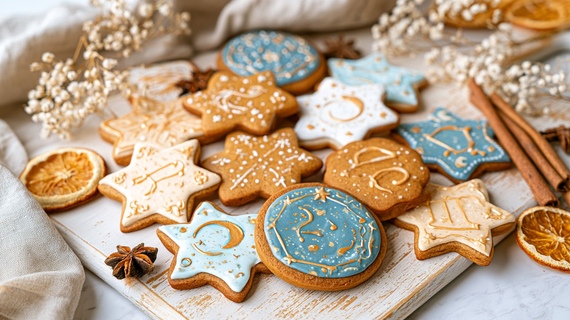
For a themed gathering, custom decorated gingerbread in Manchester can echo the main design without making the table feel repetitive. Imagine tiny theatre tickets for a stage lover, suitcases for a keen traveller or football shirts in family colours. Guests can enjoy them during the party or take one home.
Event-planning research regularly highlights the value of personalised, sensory details. People may forget the precise table layout, yet remember a familiar flavour, a playful decoration or the moment the celebrant recognised a treasured memory on the cake.
Choose flavours for the guests and the season
Design attracts attention, but flavour creates the lasting impression. A dramatic exterior cannot compensate for a filling that feels too heavy or unfamiliar.
British celebrations often include guests from several generations, so balance is helpful. Vanilla with raspberry, lemon with elderflower, chocolate with salted caramel, or carrot cake with orange are approachable without feeling ordinary. A tasting session can help if the family has very different preferences.
Consider these practical questions before confirming the recipe:
- Will children and older relatives be eating it?
- Are there allergies, intolerances or dietary requirements?
- Will the dessert follow a rich three-course meal?
- Does the chosen filling suit the season and venue temperature?
- Would two complementary flavours work better than one?
For a summer lunch, citrus, berries and lighter buttercream can feel refreshing. Autumn celebrations welcome apple, cinnamon, caramel and warming spice. Winter suits chocolate, coffee, nuts and fruit, while spring invites floral notes and fresh colours.
Get the size right without waste
Guest numbers provide a starting point, but the format of the gathering determines the true portion count. A seated dinner usually needs clearly cut servings. At a buffet, people may take smaller pieces, especially when other sweets are available.
Ask whether the venue will cut and plate the dessert. Professional portion guides use smaller slices than many families expect, particularly for tall celebration cakes. It is sensible to allow a little extra, but ordering far beyond the guest count can create unnecessary cost and waste.
International celebration trends increasingly favour flexible dessert tables. A smaller showpiece accompanied by individual portions keeps the ceremonial cutting moment while giving guests more choice.
Build the story through thoughtful details
Personalisation does not require covering every surface with hobbies, names and photographs. One or two well-chosen references often have greater emotional impact.
A subtle skyline can recall the celebrant's hometown. Sugar replicas of favourite books might represent a lifelong reader. The colour of a wedding outfit, a family nickname or flowers from a childhood garden can become the thread that holds the whole design together.
This is where bespoke cakes in Manchester offer particular value: the final result can reflect the person, the venue and the way the family plans to celebrate. A skilled maker can also suggest which ideas will translate beautifully into edible form and which should be simplified.
Allow enough time for calm decisions
Complex sugar work, handmade figures and unusual structures require planning. Contacting the maker early gives everyone time to discuss portions, flavours, delivery and design without pressure.
Bring photographs, invitations, fabric samples or a few notes about the celebrant. They do not need to form a complete concept. Often, one small detail sparks the best idea.
The right anniversary cake is not simply an impressive dessert. It becomes part of the speeches, photographs and family memories. When age, character and setting are considered together, the result feels generous, joyful and unmistakably personal.