

How to choose the perfect cake filling for every season
Let the season guide the flavour
A beautiful cake should do more than look right for the event. Its filling should match the weather, the mood and even the way guests are likely to enjoy the celebration. A rich chocolate layer can feel wonderfully comforting in November, yet rather heavy during a sunny July garden party.
Seasonal choices also help a cake feel connected to its setting. Spring suggests berries and floral notes, while autumn invites caramel, nuts and warming spice. Across England, where the weather can change quickly, it is sensible to consider both the calendar and the venue.
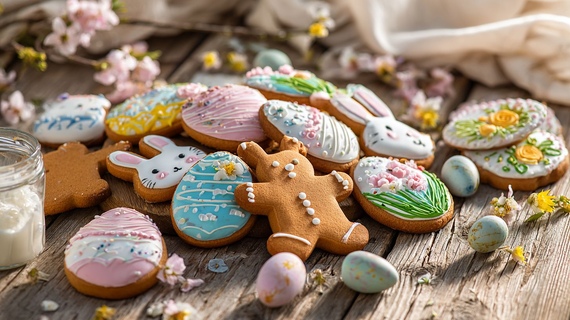
For a spring gathering in Manchester, a light sponge with lemon curd and raspberry cream can bring colour to the table without becoming too sweet. Small portions of handmade gingerbread in Manchester may complement the main dessert, especially when decorated with flowers, initials or details from the celebration.
Spring calls for freshness
After winter, people often prefer brighter flavours. Citrus fruit, berries, vanilla and gentle floral notes create a sense of freshness. Lemon and elderflower remain popular for English weddings because they feel elegant without being formal or heavy.
Good spring combinations include:
- Lemon curd with vanilla buttercream
- Raspberry compote with white chocolate mousse
- Strawberry and elderflower cream
- Rhubarb preserve with custard-style filling
- Blueberry compote with light mascarpone cream
Fresh fruit can release moisture, so it should be prepared as a stable compote or preserve. This helps the layers stay neat when the cake is cut. It also gives the baker more control over sweetness and texture.
Summer flavours should feel light
Warm weather changes how we experience food. Rich cream, dense ganache and very sweet fillings may become tiring at an outdoor reception. Sharp fruit and airy textures usually feel more refreshing.
For a family birthday in a Manchester garden, passion fruit curd with coconut cream can bring a cheerful tropical note. Strawberries with vanilla are a safer choice for guests of different ages. Peach, raspberry and lemon also work well.
Temperature matters just as much as taste. Cakes containing soft dairy-based fillings need careful storage and should not remain in direct sunlight. At a marquee wedding or picnic-style party, ask whether refrigeration is available and agree on the best time for display.
Think about the whole dessert table
The filling does not have to repeat every other flavour. Contrast often creates a more memorable spread. A light lemon cake may sit beside chocolate biscuits, berry desserts or honey gingerbread in Manchester, giving guests a mix of fresh and gently spiced options.
International pastry trends offer useful inspiration. In Mediterranean countries, summer desserts often use citrus, yoghurt, almonds and fresh fruit. Japanese-style cakes favour soft sponge and lightly sweetened cream. Both approaches show that a celebratory dessert can feel luxurious without being dense.
Autumn brings warmth and depth
As evenings become cooler, deeper flavours begin to feel inviting. Apple, pear, cinnamon, caramel and toasted nuts suit the season beautifully. They evoke orchard walks, cosy cafés and the first celebrations held indoors after summer.
Salted caramel with apple compote is ideal for an autumn birthday. Pear and dark chocolate offer a more refined combination, while carrot cake with orange cream cheese filling feels familiar and generous. For Bonfire Night events, chocolate, caramel and roasted hazelnut can create a rich, warming result.
When choosing an autumn filling, consider balance:
- Pair sweet caramel with sharp apple or salted cream
- Add citrus zest to rich chocolate fillings
- Use spice lightly so it does not overpower the sponge
- Combine nuts with fruit for contrast
- Ask about allergies before selecting almond, hazelnut or pistachio
Winter is the time for comforting combinations
Winter cakes can carry richer flavours because they are usually served indoors and enjoyed with tea, coffee or festive drinks. Chocolate ganache, spiced fruit, coffee cream and praline all work well.
A December celebration might feature orange and dark chocolate, cranberry and white chocolate, or ginger sponge with salted caramel. For a cosy family event, honey cake with sour cream filling offers soft layers and a pleasant balance between sweetness and gentle acidity.
Alcohol-flavoured fillings can suit an adult gathering, but they should be discussed in advance. Baileys cream, rum-soaked fruit or Champagne ganache may sound festive, yet a non-alcoholic tier or alternative dessert is thoughtful when children and non-drinkers are attending.
Match the filling to the occasion
Season is an excellent starting point, but the final choice should reflect the guests and format of the day. A wedding cake may be served after a full meal, so a lighter filling often works best. At a birthday tea, the cake may be the main attraction and can carry a stronger flavour.
For large events, familiar combinations usually receive the warmest response. Vanilla with raspberry, lemon with elderflower and chocolate with salted caramel are dependable without feeling dull. A smaller celebration allows more freedom to try pistachio, blackcurrant, mango or coffee.
A tasting can prevent uncertainty
It is difficult to judge a filling from its name alone. Tasting reveals whether the fruit is sharp enough, the cream feels too rich or the sponge needs more moisture. It also allows couples and families to compare safe favourites with one adventurous option.
A skilled maker of bespoke cakes in Manchester can adapt sweetness, texture and decoration to suit the season, venue and guest list. The result feels personal because every element belongs together. When flavour follows the rhythm of the year, even a simple slice can become part of the memory.