

How to plan dessert quantities like a pro: a practical guide for modern events
Why getting the numbers right changes everything
Anyone who has ever hosted an event in England knows the quiet anxiety that comes with planning food. Too little, and guests leave disappointed. Too much, and trays of untouched sweets linger awkwardly at the end of the evening. Desserts, especially handcrafted ones, are where this balance becomes an art rather than a calculation.
Whether you are organising a wedding in Cheshire, a corporate reception in central Manchester, or a cosy birthday gathering in the suburbs, understanding how to estimate portions correctly will save both money and stress. And when it comes to speciality treats like handmade gingerbread, the stakes feel even higher. These are not just desserts - they are conversation starters, table decor, and often keepsakes.
Understanding your event type and audience
Before thinking about quantities, step back and look at the nature of your event. A formal wedding breakfast in the UK follows very different consumption patterns compared to an afternoon baby shower or an office networking evening.
For example, at a traditional English wedding with a three-course meal, guests tend to eat less dessert overall. Meanwhile, at a casual garden party, sweet tables are often the main attraction, and portions need to be more generous.
Think about:
- Time of day: afternoon tea events encourage more sweet consumption than late evening receptions
- Guest profile: families with children will consume more biscuits and decorated treats
- Format: seated dinners versus buffet-style grazing tables
- Weather: warmer days often reduce appetite for heavy cakes but increase interest in lighter options
A Manchester-based event planner recently shared that for summer corporate events, dessert consumption drops by up to 20 percent compared to winter gatherings. However, visually appealing items like iced gingerbread still get picked up, even when guests claim they are full.
The baseline rule that actually works
There is a simple starting point many caterers in England use: plan for 1.5 to 2 portions of dessert per guest. But this number is only a guideline. The real calculation depends on variety and presentation.
If you are offering just one type of cake, each guest will likely take a single portion. But if you create a mixed dessert table with cookies, slices, and decorated items, people will try several small pieces.
For a balanced dessert table, consider:
- 1 standard cake slice per person
- 2 to 3 small treats like biscuits or gingerbread
- 1 decorative item that doubles as a takeaway gift
This approach works particularly well for events where aesthetics matter. It ensures abundance without unnecessary excess.
Why variety changes consumption behaviour
Humans are naturally drawn to variety. Studies in hospitality management show that when presented with multiple dessert options, guests tend to sample more items, even if each portion is smaller.
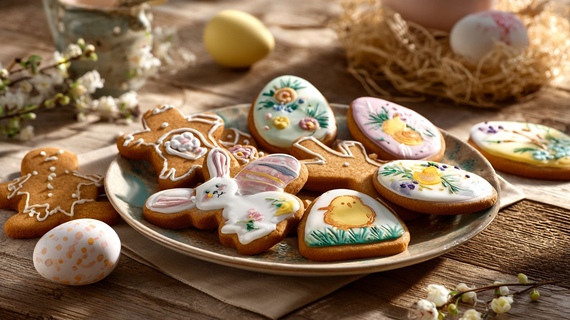
This is where creative offerings such as custom decorated gingerbread come into play. Instead of serving large slices of a single cake, you can distribute attention across multiple smaller treats.
In practice, this might look like:
- A central cake for ceremonial cutting
- A selection of themed gingerbread pieces
- Mini desserts or bite-sized pastries
At a recent Manchester engagement party, hosts opted for a mix of personalised gingerbread biscuits and small cake squares. The result was striking - not only did guests try more items, but wastage dropped significantly compared to previous events with fewer options.
Practical tips from real events
Planning dessert quantities becomes much easier when you learn from real scenarios. Over the years, caterers and home bakers across England have refined their approach through trial and error.
Here are some practical recommendations that consistently work:
- Always round up guest numbers slightly when planning handmade items
- For events with alcohol, expect higher dessert consumption
- Offer individually wrapped items for guests to take home
- Place visually appealing desserts at eye level to encourage distribution
- Keep backup portions stored separately to avoid over-serving early
These small details make a noticeable difference. One Manchester-based bakery reported that offering take-home gingerbread reduced waste by nearly 30 percent while increasing customer satisfaction.
Matching desserts to the purpose of the event
Not all desserts serve the same role. Some are meant to impress, others to comfort, and some to create a memorable experience. Understanding this helps refine your quantity planning.
For example, gingerbread often acts as both a treat and a decorative element. Cakes, on the other hand, are usually the centrepiece.
When planning your selection, think in layers:
- Visual impact: statement cakes or themed displays
- Interactive elements: decorated biscuits or personalised items
- Classic comfort: familiar flavours that appeal to a wide audience
If your event includes a statement cake such as bespoke cakes, it will naturally draw attention and reduce the need for excessive additional desserts. Guests often prioritise tasting the main feature, especially when it reflects the theme or story of the occasion.
Avoiding common mistakes
Even experienced hosts make a few predictable mistakes when planning dessert quantities. Fortunately, they are easy to avoid once you know what to watch for.
One frequent issue is overestimating appetite during formal events. Guests who have enjoyed a full meal rarely eat large dessert portions. Another is underestimating the appeal of visually unique items. Even guests who claim they are not hungry will often take a beautifully decorated gingerbread piece.
Keep an eye on these pitfalls:
- Ordering too many large cake portions instead of smaller, varied items
- Ignoring the role of presentation in influencing consumption
- Forgetting dietary preferences such as gluten-free or vegan options
- Placing all desserts out at once instead of staggering the display
A smarter way to think about dessert planning
Rather than focusing purely on numbers, think of dessert planning as storytelling. Each item on your table contributes to the overall impression of the event.
A well-planned selection feels abundant without being excessive. It invites guests to explore, taste, and enjoy without pressure.
In the UK event scene, especially in cities like Manchester, there is a growing trend towards curated dessert experiences rather than traditional single-cake setups. This shift reflects changing expectations - people want moments, not just meals.
When you approach dessert planning with this mindset, calculating quantities becomes much more intuitive. You are no longer guessing. You are designing an experience.
Final thoughts
Getting dessert quantities right is not about strict formulas. It is about understanding people, context, and the role sweets play in your event. With thoughtful planning, a mix of textures and formats, and attention to guest behaviour, you can create a table that feels both generous and intentional.
And perhaps most importantly, you will avoid that familiar end-of-evening dilemma - too many leftovers or not quite enough to go around.
A well-balanced dessert selection, from gingerbread to cakes, leaves guests with a lasting impression. That is the real goal.