
Sweet merch that sticks: why edible branding works for real companies
From a nice idea to a measurable asset
Sweets are no longer a novelty on a marketing shelf - they are a working asset that moves sentiment, recall and sales. In England, where rough weather and busy streets make comfort a small luxury, a beautiful biscuit or a smartly finished mini-cake can do what a brochure cannot - warm the room, break the ice and travel home in a pocket. When a company chooses handcrafted pieces instead of anonymous factory boxes, it signals care, locality and quality. That is why small-batch confectioners are increasingly collaborating with brands to design edible merchandise with the same rigour as any other touchpoint.
A Manchester-based artisan who hand-makes gingerbread and cakes shows how this can scale sensibly. The starting point is brand story. Colour, typography, shapes and seasonal cues are translated into dough, glaze and decoration. A limited run for a product launch differs from a hospitality tray for a partner forum. The brief is practical - number of items, lead time, delivery windows - yet the goal is emotional: create a moment that people want to photograph, keep and talk about.
Three traits of effective campaigns
- Keep the design simple enough to read at a glance.
- Prioritise recognisable flavours over surprises.
- Plan distribution like a pop-up event - who gets what, when and how it is presented.
A single biscuit on a meeting chair will feel personal. A ribboned box at reception will feel celebratory. A tray at a stand will feel inviting rather than salesy. None of this happens by accident.
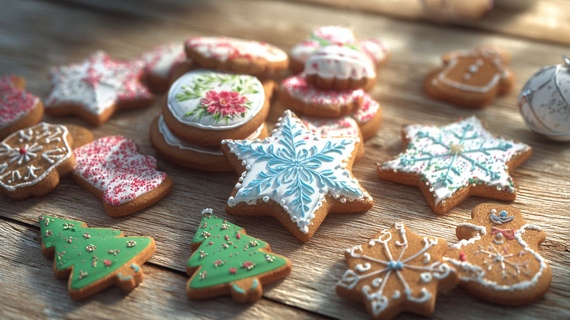
Crucially, edible merch wins when it feels crafted. The hand-piped line is not a flaw - it is proof that a human made it only hours before. That proof adds perceived freshness and makes the brand feel less corporate, more neighbourly. In England’s crowded high streets, those micro-signals matter. And when the ask is to delight a client or thank a team, the detail is everything - balanced spice, clean edges, packaging that travels well on the train and still looks smart on the kitchen table that evening. In these moments, branded gingerbread gifts perform far beyond their size because they embody generosity without waste, and they carry a logo into the heart of a household.
What the data and field experience say
Marketers often ask whether sweets do more than “look nice”. International studies on sensory marketing repeatedly show that scent and taste increase approach behaviour, and field pilots in the UK retail and hospitality sectors echo this. When attendees receive a treat at check-in, dwell time rises, social posts spike and exit interviews contain warmer language. In B2B settings, meeting acceptance rates for roadshows improve when invitations promise a small edible favour crafted to match the theme. None of this replaces a solid offer, but it lifts the mood and makes conversations easier.
Where a Manchester maker fits into brand strategy
A local artisan adds flexibility. Small-batch production means you can test, learn and iterate from one event to the next. A bank can trial a cinnamon-forward biscuit for autumn town halls, then switch to citrus in spring. A sports club can localise designs to an away fixture, offering fans something that feels “ours” even on the road. For teams under pressure to prove ROI, this agility is powerful: short runs, swift feedback, rapid improvement.
Practical advice for teams planning sweet merch
- Start with purpose - thank-you gift, conference welcome, product teaser - and write a one-line brief that every stakeholder can repeat.
- Keep visuals bold and readable - one strong motif, clean lines, limited colour palette that matches brand guidelines.
- Choose flavours people already love - ginger, honey, vanilla - and avoid polarising additions for large audiences.
- Plan logistics early - lead time, packaging protection, venue rules, heat or humidity risks, and last-mile handover.
- Treat photography as part of the campaign - set aside a few perfect samples for shots before the rush begins.
The Manchester maker’s most successful projects marry good taste with good timing. Winter activations pair spice with warm drinks, while spring pushes lighter notes and pastel icing. Corporate HR teams report a noticeable lift in colleague engagement when recognition is edible and thoughtfully presented. According to agency case reviews, redemption for QR-linked promos on favour tags outperforms paper flyers by a comfortable margin. The treat earns the scan.
Workshops, storytelling and moments people share
What sets handcrafted confections apart is the story behind them. A short card about the recipe, the region, or the inspiration behind the pattern turns a bite into a talking point. Teams also use participatory formats - on-stand sessions where visitors pipe a letter or add a tiny logo shield - to make the brand feel hands-on and human. A well-run session produces smiles and content without feeling like an advert. This is where a local specialist shines: they can instruct, set up a tidy workspace, and maintain quality under pressure, so guests leave with something they’re proud to show.
For event agencies, a compact live station has another benefit - dwell time. People stop, watch, ask and post. That tiny crowd signals activity and draws more visitors in. It is organic theatre, and it fits English venues where space is tight and noise rules are strict. The key is smooth prep, all tools at the ready, and a clear safety plan. In Manchester, planners have used these moments to soften hard topics - compliance updates, tariff changes, even difficult restructuring - by opening with craft and closing with clarity.
Here, an artisan partner can go beyond supply and become part of the experience. They can demo a glaze technique, share a family recipe anecdote, or tie a motif to a local landmark. Done well, it feels like a mini-documentary that you can eat. That is why more teams are integrating a Gingerbread Decorating Workshop into open days, community drop-ins and store launches. Participation turns a passer-by into a guest, and a guest into an advocate. When the activity aligns with brand values - care, skill, tradition, sustainability - the fit is seamless.
A checklist before you commission your next run
- Brief in brand rules - colours, logo clear-space, tone - and agree which elements are non-negotiable.
- Approve a test batch - taste, texture, finish - and photograph it in the exact lighting you expect at the venue.
- Decide portion economics - price-per-piece, perceived value, and whether to bundle with a voucher or QR perk.
- Map distribution - arrival sequence, placement, and a contingency for latecomers or high footfall.
- Capture feedback - short poll, scan-to-vote, or a simple bowl for business cards next to the tray.
Why cakes enter the conversation
Gingerbread is nimble, travel-friendly and cost-effective for scale. Cakes play a different role - milestone moments, press calls, team anniversaries and premium gifting. A well-finished centrepiece holds a room for a photo, anchors a toast and creates a peak memory for everyone present. The Manchester maker’s approach is to keep the outside striking and the inside classic. If guests leave saying “that looked beautiful and tasted like a proper cake”, you have won twice.
For brand teams, cakes can do clever things that packaging cannot. A layered cross-section can echo a product palette. A top motif can nod to an architectural detail of a new office. The cutting can follow a script that draws attention to values - growth, care, partnership - before plates go out. And because cakes are naturally shared, they distribute goodwill across a department rather than concentrating it with one decision-maker.
The London PR community often schedules a slice-and-press-shot into campaign timelines, knowing those images will land in internal channels and local papers. Regional firms use smaller formats - loafs and petite rounds - to keep the gesture frequent rather than rare. In either case, the principle is the same: edible theatre that respects taste and time. When attention is scarce, a short ceremony with a delicious centrepiece is a wise trade.
Above all, keep it local. British audiences respond to provenance, restraint and a bit of play. A honey accent from a nearby apiary, a subtle nod to a Manchester icon, a ribbon in club colours - these touches say “we see you”. That is why more marketing calendars include a cake slot alongside print and social. When the brief calls for a hero moment that feels both premium and personal, branded cakes in Manchester are fast becoming the sensible choice.