

Sweet variety without overspending: how to elevate your dessert table with smart, charming choices
Why variety matters more than volume
A dessert table does not need to be overloaded to impress. In fact, across many events in England - from cosy birthday gatherings in Leeds to elegant receptions in Surrey - hosts are shifting away from quantity towards thoughtful variety. Guests remember contrast, colour, and creativity far more than endless trays of identical sweets.
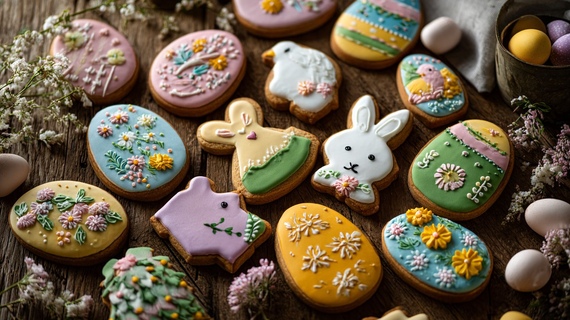
This is where options like handmade gingerbread in Manchester quietly transform the experience. Instead of buying multiple generic desserts, one well-crafted item with personality can carry the entire table. It creates a focal point, sparks conversation, and feels personal rather than mass-produced.
Research from event planners in the UK shows that curated dessert tables with 5-7 distinct items tend to leave a stronger impression than larger, less structured spreads. It is not about abundance. It is about intention.
Small changes that make a big visual impact
Imagine walking into a room where the dessert table tells a story. Not loud or overwhelming, but inviting. This effect can be achieved without stretching your budget.
Here are simple approaches that work across different types of events:
- Mix textures rather than increasing quantity. Combine soft cakes, crisp biscuits, and glazed treats for contrast
- Play with height using stands, wooden boards, or cake tiers to create depth
- Use a limited colour palette that matches the event theme, whether it is soft pastels for a baby shower or rich tones for an autumn gathering
- Add personalised elements such as initials, small tags, or edible decorations
A local café owner in Manchester shared that after introducing a more curated dessert display with fewer but more distinctive items, customer engagement increased noticeably. People started taking photos, sharing on social media, and returning specifically for the experience.
Thoughtful details that guests actually notice
When guests approach a dessert table, they do not analyse it technically. They react emotionally. A handwritten note, a carefully decorated biscuit, or a small themed element can completely shift perception.
This is why items like custom decorated gingerbread are becoming increasingly popular. They allow you to introduce variety without buying ten different desserts. Each piece can look different, yet belong to the same concept.
For example, at a recent garden party in Cheshire, the host replaced half of the dessert selection with individually decorated gingerbread pieces featuring floral patterns. The result was surprisingly effective. Guests treated them as both decoration and dessert, which reduced waste and added charm.
How to stretch your budget without losing quality
Many people assume that a beautiful dessert table must be expensive. In reality, cost often comes from unnecessary duplication.
Instead of ordering multiple cakes or large quantities of pastries, focus on versatility. One well-made base can be adapted in several ways.
Consider these practical tips:
- Choose multi-purpose items that work as both decoration and food
- Opt for seasonal ingredients which are more affordable and fresher
- Work with a local baker who can customise smaller batches rather than ordering bulk items
- Combine homemade elements with professional pieces to balance cost and quality
Across the UK, there is a growing trend towards hybrid dessert tables. A few standout items are professionally made, while simpler elements are prepared at home. This approach feels authentic and reduces overall spending.
Creating a theme without overspending
Themes often sound expensive, but they do not have to be. The key is consistency, not complexity.
A simple idea - like a rustic countryside theme or a minimalistic modern look - can be executed with just a few carefully chosen elements. Gingerbread, in particular, works beautifully here because it can be shaped and decorated to match almost any concept.
At a wedding in Yorkshire, for instance, instead of multiple dessert options, the couple chose a single style of biscuit and incorporated subtle variations in design. The effect was cohesive, elegant, and surprisingly budget-friendly.
When one centrepiece does the job of five desserts
There is a moment at every event when guests gather around the dessert table. What they see first matters.
Rather than filling the table with many average items, it often makes more sense to invest in one strong centrepiece. This could be a cake, a display of decorated biscuits, or a themed arrangement.
This is where options like bespoke birthday cakes in Manchester come into play. A single cake, designed thoughtfully, can anchor the entire table. Around it, you only need a few complementary items to create balance.
Event planners across England increasingly recommend this approach. It simplifies logistics, reduces waste, and ensures that every element has a purpose.
Balancing aesthetics and practicality
A dessert table should not only look good. It should work well for guests.
That means easy access, manageable portions, and minimal mess. Individually portioned items, such as decorated biscuits or small cake slices, help maintain flow during the event.
In London and Manchester alike, many hosts now prioritise practicality alongside design. This shift reflects a broader trend towards more relaxed, guest-friendly gatherings rather than formal, rigid setups.
A gentle shift in how we celebrate
There is something refreshing about moving away from excess. Modern celebrations in England are increasingly focused on connection rather than display.
A thoughtfully arranged dessert table becomes part of that experience. It invites guests to explore, to notice details, and to enjoy something made with care.
Instead of asking “How much should I prepare?”, the more meaningful question becomes “What will people remember?”.
Often, the answer lies in small, intentional choices rather than big, expensive ones.
Final thoughts: making it feel personal
The most memorable dessert tables are not necessarily the most elaborate. They are the ones that feel personal.
Whether it is a child’s birthday in Birmingham or a corporate gathering in Manchester, people respond to authenticity. A handcrafted element, a thoughtful theme, or a well-designed centrepiece can create that feeling without increasing costs.
In the end, variety is not about having more. It is about choosing better.
And sometimes, all it takes is one carefully made item to transform everything around it.