

The art of gifting when they already have everything: why thoughtful bakes win in 2025
When “they’ve got it all” really means “they’ve seen it all”
There’s a particular kind of shopping panic that hits when the person you’re buying for is genuinely comfortable. They have the nice headphones, the sensible luggage, the candles, the gadgets, the subscription boxes. Even their socks are better than yours. The problem is not money or effort. It’s novelty.
In England, we’re also quietly allergic to making a fuss. We want the gift to feel warm, not showy. Useful, but not boring. Personal, without turning into a full-blown scrapbook moment at the kitchen table.
That’s why edible gifts keep getting a second life. They don’t add clutter. They create a small event. And when they’re handmade, they land with a kind of gentle confidence that a last-minute department store purchase rarely matches.
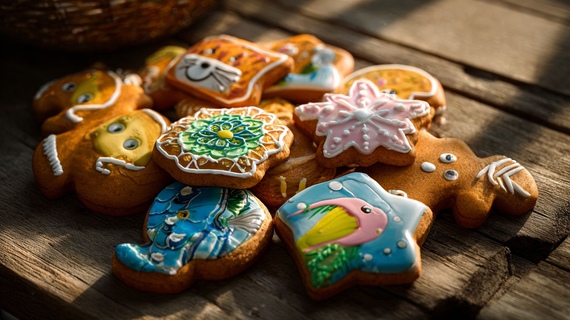
If you’re near Manchester, the good news is the city is full of people who still care about craft. You can see it in the coffee scene, the markets, the independent studios tucked around the Northern Quarter and Ancoats. The same energy shows up in celebration bakes too. A box of gingerbread gifts in Manchester can be more than “something sweet” - it can be a message, a memory, a tiny personal joke turned into icing.
The secret is not the item - it’s the story
People who “have everything” usually don’t want more stuff. They want to feel known. A great sweet gift does three things at once:
- it nods to who they are,
- it fits the moment you’re celebrating,
- it gives everyone permission to smile.
That could be a set of biscuits that match their favourite hobby, a mini collection inspired by a family saying, or a design that references the place you met. It’s not about extravagance. It’s about specificity.
Why handmade sweets feel more personal than expensive presents
Research into gifting and happiness consistently points in one direction: the most memorable gifts are the ones that create emotion, not the ones that impress on paper. We remember the laughter, the surprise, the “how did you even think of this?” moment. We forget most objects after they’ve been folded into everyday life.
Handmade bakes sit in a sweet spot because they’re both practical and symbolic. They disappear, so nobody feels guilty about storage. Yet they also feel like an occasion, especially when they’re decorated with intention.
In England, food is also a social glue. We say “tea?” when we mean “talk to me”. We bring cake to workplaces when we mean “I appreciate you”. A thoughtful bake is a very British kind of affection: direct, but not too intense.
A quick Manchester example that works every time
Imagine you’re buying for a colleague who is impossible to shop for. They’re polite, professional, and already own everything worth owning. Instead of a generic bottle of something, you bring a small set of decorated gingerbread themed around the project you survived together - a tiny laptop, a coffee cup, a calendar with the deadline circled. It gets a laugh, it feels earned, and it doesn’t become another object on a shelf.
That’s the difference. The gift has context.
Ideas that feel fresh, even for the hardest-to-buy-for people
You don’t need to be wildly creative to get this right. You just need a better angle. Here are approaches that reliably work when someone is “gift-resistant”.
Start with an experience, not a product
Sometimes the best present is the moment itself. If you’re stuck, consider an option like a Gingerbread Decorating Workshop. It’s social, it’s playful, and it gives the person something they can talk about later. For families, it becomes an afternoon plan. For couples, it’s a low-pressure date. For teams, it’s an easy way to end the year on a high note without forcing anyone into awkward party games.
Choose a theme that only makes sense for them
The most successful custom bakes usually lean on one of these:
- a hobby they’re genuinely obsessed with,
- a place they love (even if it’s just their local football ground),
- an in-joke that belongs to your friendship,
- a “mini timeline” of their year, turned into a set.
The trick is to avoid going generic. “Flowers” can be lovely, but “their nan’s garden roses” is better. “Travel” is fine, but “that rainy weekend in Whitby” hits differently.
Use design to say what words feel awkward to say
This is the part people underestimate. Some relationships don’t do big speeches. A sweet gift can quietly carry the message instead:
- “I’m proud of you.”
- “Thank you for showing up.”
- “I see how hard you’ve worked.”
You’re not forcing an emotional conversation. You’re offering a warm, tangible sign.
Two short checklists that make choosing easy
If you want this to feel simple instead of stressful, use one of these quick frameworks.
A practical way to pick the right sweet gift
- Think of one detail that only you would know about them (a routine, a phrase, a habit).
- Match the detail to an occasion (birthday, new job, house move, thank-you).
- Decide whether the gift should be shared (office-friendly) or personal (family or close friend).
- Choose a format that fits their lifestyle: biscuits for grazing, a small cake for a gathering, or a workshop for making memories.
- Keep it believable. The best ideas sound like you, not like a catalogue.
What to send a baker so the result feels spot on
- The date you need it and how it will be collected or delivered.
- Who it’s for (age range helps, but personality helps more).
- Any non-negotiables (allergies, alcohol-free, nut-free, colour dislikes).
- One to three theme cues (favourite place, hobby, reference, style).
- The vibe you want: funny, elegant, cosy, bold, minimal, nostalgic.
These small details save time and help the final result look intentional rather than random.
When a cake is the better choice than biscuits
Gingerbread is brilliant for storytelling, especially when you want multiple little moments in one box. Cakes, though, are the centrepiece when the celebration includes other people. They don’t just taste good. They anchor the room.
If you’re planning something in Manchester - a birthday meal, a cosy house gathering, a workplace milestone - a design-led cake can carry the whole occasion. The best ones feel personal without being loud. They look considered, not overdone. And they often photograph beautifully, which matters more than we like to admit.
For the person who “has everything”, a thoughtfully designed cake also signals effort. Not expensive effort. Human effort.
A local example: you’re organising a small December get-together when everyone’s tired and it’s dark at 4pm. You bring out a cake that nods to the year you’ve had - subtle colours, a simple message, maybe a reference to a shared goal or a family tradition. Suddenly, it feels like a real moment, not just another Thursday evening.
If you want that centrepiece effect, personalised cakes in Manchester can turn “we should celebrate” into “we did celebrate”, in a way people actually remember.
The takeaway: the best gift is proof you paid attention
When someone has everything, the goal isn’t to outdo their lifestyle. It’s to bring warmth, specificity, and a bit of joy to their day. Handmade sweets work because they’re fleeting, generous, and quietly meaningful. They don’t demand space in a home. They create space in the mood.
And in a busy English winter, that can be the most valuable present of all.