

The sweet gift that never misses: how to choose something everyone will love
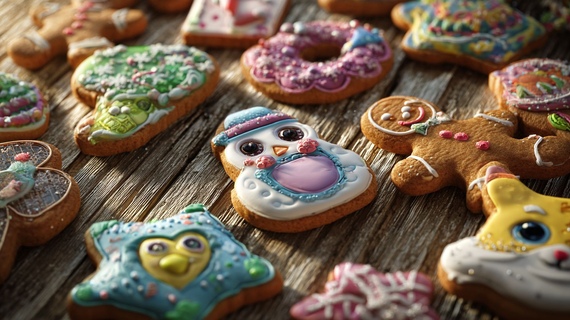
Why a universal sweet gift works in England today
When you barely know the recipient - a new client, a colleague from another department, a neighbour who helped with a parcel - a sweet gift is a safe, human choice. It fits most occasions, travels well, and signals care without being intrusive. In England, where offices often juggle dietary requirements and etiquette, confectionery with a thoughtful twist tends to land better than wine or flowers. It is easy to share in the break room, fits a range of budgets, and sparks conversation long after the first bite.
Start with purpose, not with flavour
Before choosing flavours or shapes, ask yourself what the gift needs to say. Are you thanking someone for help, breaking the ice with a prospective client, or marking a small milestone? The story drives the format. A small box suggests a polite thank you; a keepsake biscuit with an initial feels personal; a compact mini-cake can quietly celebrate a win. Once the purpose is clear, you can choose the right scale and presentation without second-guessing.
The confidence of classics
English palates are familiar with warm spices, caramel notes, and honeyed profiles. Crisp spiced biscuits and light, not-too-sweet icings tend to appeal across age groups. For a first-time gift, lean classic rather than experimental; you can always add a playful detail in the decoration or the packaging.
A simple rule for first choices
If in doubt, choose an elegant box of gingerbread gifts that look tidy on a desk, are easy to share, and keep beautifully for a few weeks. It is a graceful middle ground between something personal and something corporate.
Read the room: context clues matter
You might not know the recipient, but you often know the situation. A handover at a co-working space calls for shareable pieces. A doorstep thank you suits a small tin with a ribbon. A first meeting at a Manchester office benefits from a compact box that slides into a laptop bag. These cues help you choose size, packaging, and theme without much biographical detail.
The power of light customisation
You do not need a full biography to personalise well. Initials, a tiny motif linked to the city, or a palette drawn from the season feel considered but not prying. In England’s workplace culture, subtle beats showy; the gesture should never create pressure to reciprocate at the same level.
What research and experience say about sweet gifting
Surveys of British office buying habits consistently show that practical, shareable gifts outperform decorative items. In client settings, small-format food gifts help open conversations and are less likely to breach corporate gift limits, especially when accompanied by a handwritten card that states the intent clearly - gratitude, congratulations, or a warm welcome. Case studies from Manchester agencies and tech firms show similar patterns: compact, beautifully finished pieces are remembered; oversized hampers often get lost in kitchens and go unlabeled.
A checklist for universal appeal
- Choose formats that can be shared easily in two bites.
- Keep flavours friendly: gentle spice, vanilla, citrus, light caramel.
- Avoid strong, polarising ingredients unless you know the audience.
- Add one modest personalised detail - an initial, a small city icon, or a date.
Practical tips for allergen and diet confidence
- Include a neat card listing allergens and storage advice.
- Offer a small mix: a couple of dairy-free or vegan pieces alongside classics.
- Use clear, resealable packaging to keep items fresh across meetings.
Design signals that make the difference
People notice finish. Clean lines, a smooth glaze, and tidy edges read as professional. Understated packaging - kraft card, a cotton ribbon, a single colour seal - aligns with English preferences for subtlety and sustainability. Quality shows in how the gift opens: one clean tuck, no explosion of tissue, and a card that sits flat.
The ethics people quietly appreciate
Provenance matters. When sweets are made in small batches, with traceable ingredients and local honey, recipients feel safer and more positively toward the giver. Sustainability cues - recyclable boxes, minimal plastics - rarely go unnoticed in modern offices.
Ingredient integrity without the lecture
If you plan to highlight sourcing, keep it humble: a small tag that notes natural ingredients gingerbread reassures without sounding performative. It answers unspoken questions about quality and care.
Manchester moments: local touches that travel well
A gift does not need tourist imagery to feel local. A subtle Manchester bee stamped into the icing; a warm cotton-yellow ribbon; a tiny card referencing the Northern Quarter or a canal walk - these details create a quiet connection. In practice, the best-received pieces in city offices are compact, well-structured biscuits with a single motif and a restrained colour palette that photographs nicely for internal chats.
Two handy lists to make choosing easy
Quick scenarios and what to pick
- First meeting at a city office - a slim box of six spiced biscuits with initials.
- Thank you to a neighbour - a small tin with a simple bee motif and a card.
- Welcome to a new team member - a shareable box for the whole desk, plus a single wrapped piece with their name.
- Agency pitch drop-off - a tidy trio set with a ribbon matching your brand.
- Seasonal gesture - a mixed set with one classic motif and one neutral winter pattern.
Finishing touches that raise the bar
- Add a handwritten card with one sincere sentence.
- Use ribbon colours that match the season or the recipient’s brand.
- Include a QR to storage and allergen info for discretion.
- Keep the outside minimal so the reveal feels special.
- Choose sizes that fit a satchel or tote without squashing.
When a cake beats a box
Sometimes, the occasion calls for a centrepiece: a small cake for a team milestone, a quiet office birthday, or a mini launch. The same principles apply - simple flavours, clean finish, modest personalisation - only now your gift invites a five-minute pause that turns into a shared memory. In Manchester, compact formats travel well on trams and trains; think sturdy boxes with internal supports, not towering layers.
The right nudge for the last step
If you are hesitating between biscuits and a small cake, ask two questions: will the recipient share it immediately, and how far does it need to travel? If sharing is likely and travel is short, a cake is perfect. If timing is uncertain or the journey is longer, stick to a rigid box of biscuits.
A final, friendly guideline
Make it easy to accept. That means sensible portion sizes, clear labelling, and packaging that can slip into a bag after the meeting. Do this, and your gift does what a universal sweet gift should do - carry warmth from you to them, with zero fuss.
Bringing it together with calm confidence
A universal sweet gift does not try to be everything to everyone; it simply gets the fundamentals right. Familiar flavours, elegant finish, considerate packaging, and a whisper of local character turn a simple gesture into something people remember. Whether it lands on a receptionist’s desk or in a meeting room on Deansgate, the combination of craft, clarity, and kindness is what makes the present feel just right. And when the moment really calls for a little more ceremony, a small, beautifully finished cake steps in to help you say it - quietly and unmistakably.
A Manchester note for special occasions
For moments that need a personalised flourish, consider compact designs with initials or a motif drawn from the city’s symbols. They remain timeless, travel well, and match the sensibilities of English workplaces where understatement is a form of respect. If the relationship grows, you can lean into bolder concepts later; for a first step, balance charm with restraint, and let your craftsmanship speak first through form and flavour - and, when it suits, through personalised cakes in Manchester that make a room pause for a happy minute.