

What your cake maker needs to know before you place a celebration order
A thoughtful brief makes every detail more meaningful
Ordering something sweet for a celebration should feel exciting, not complicated. Yet a confectioner cannot see the picture in your mind until you describe it. Sharing the right information early allows the maker to suggest suitable flavours, portions, colours and decorative details while keeping the design practical.
Begin with the occasion, date and location. A relaxed afternoon tea in a Cheshire garden needs a different approach from a formal wedding reception at a Manchester hotel. An outdoor gathering may require decorations that tolerate warmth, while a party in a hired village hall could involve a fixed delivery window and limited refrigeration.
The number and ages of the guests matter too. Twenty adults at an engagement dinner will not eat in quite the same way as twenty excited children at a fifth birthday party. Mention whether the sweet centrepiece will follow a full meal, accompany tea or serve as the main dessert.
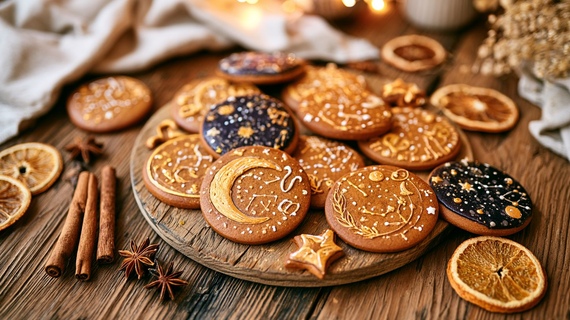
If you are considering themed gingerbread in Manchester, explain the celebration rather than simply naming a colour. A request such as "sage green biscuits" offers a starting point, but "a countryside baby shower with wildflowers, rabbits and soft natural shades" gives the maker a complete visual direction.
The essential details to share first
Before discussing tiny decorative choices, prepare the practical information:
- The celebration date, venue and preferred collection or delivery time
- The expected number of guests and whether children will attend
- The type of event, from a quiet family lunch to a large corporate gathering
- Your approximate budget and the elements that matter most to you
- Any allergies, intolerances, dietary preferences or ingredient concerns
- The desired serving style, such as individual favours, a dessert table or one central cake
- Access details, parking restrictions and the name of the venue contact
A clear budget is particularly useful. It does not limit creativity. Instead, it helps the confectioner recommend where decoration will create the strongest effect. Hand-piped details on every biscuit require more time than a restrained design with a name, date and two coordinated colours. Both can look beautiful, but they suit different priorities.
Help the maker understand your guests
Good celebration design is not only about appearance. It considers how people will receive, carry and enjoy the treats.
Imagine a Manchester office marking its tenth anniversary. Individually wrapped biscuits may be ideal because colleagues can enjoy them during the event or take them home. For a family christening in Stockport, a cutting cake surrounded by smaller decorated pieces might create a warmer, more generous table.
International event-planning experience also highlights the value of cultural context. Colours, flowers, symbols and even numbers may have special meanings for a family. Tell the confectioner about traditions that should be included or avoided. If relatives are travelling from abroad, a familiar motif can turn a simple sweet into an affectionate welcome.
Small personal details worth mentioning
A memorable design often begins with something wonderfully ordinary:
- Share the guest of honour's hobbies, favourite colours, profession or much-loved pet.
- Describe the invitation, table decorations and venue style so everything feels connected.
- Provide the exact spelling of names, initials, dates and short messages.
- Explain whether the mood should be playful, elegant, romantic, rustic or proudly dramatic.
- Send two or three reference images and say what you like about each one.
- Mention how the treats will be transported, displayed and handed to guests.
Reference pictures are helpful, but they work best as a conversation rather than a demand for an exact copy. One photograph might inspire the palette, another the floral piping and a third the overall mood. This leaves room for an original result shaped around your occasion.
Think beyond the moment of cutting
Presentation deserves an early conversation. Packaging affects the appearance, freshness, transport and final cost of an order. A biscuit placed beside every name card requires different wrapping from one offered at the end of the evening.
For gingerbread gifts in Manchester, tell the maker whether each piece needs a ribbon, label, guest name or message. At a wedding, they might serve as both place cards and favours. At a company gathering, discreet packaging in brand colours can feel polished without making the occasion resemble an advertisement.
Research into consumer choice suggests that too many options can make decisions harder. A useful approach is to give the confectioner a clear mood, several non-negotiable details and permission to interpret the rest. For example: "Please include our daughter's name, her favourite fox and warm autumn colours, but choose the remaining decorative elements yourself."
That balance protects the personality of the event while allowing professional judgement to shine.
Discuss flavour, timing and practical limits
Flavour should suit the people in the room, not simply the latest online trend. Tell the baker whether guests usually prefer rich chocolate, gentle vanilla, fruit, spice or something less sweet. If several generations will attend, a familiar flavour with a distinctive filling can be a thoughtful compromise.
Be completely open about allergies. "No nuts in the decoration" is not the same as requiring preparation in a nut-free environment. A small independent kitchen may use particular allergens elsewhere, so the maker needs accurate information before accepting the commission. Guests with serious medical allergies should receive clear, honest guidance.
Timing is equally important. Handmade decorations, edible figures and individually piped pieces cannot be rushed without affecting the finish. Popular Saturdays, school holidays, Christmas and bank-holiday weekends may fill well in advance. An early enquiry gives you more creative freedom, although the final guest count can sometimes be confirmed later by agreement.
Weather and travel also influence recommendations. A tall creation transported across England in summer needs careful support and temperature control. Even on a mild northern day, a warm car or sunny window can be unkind to buttercream. Ask how the order should be carried, stored and brought to room temperature before serving.
Finish with one clear conversation
Before paying a deposit, check that both sides agree on the date, portions, flavour, design, wording, packaging, price and handover arrangements. Read every name twice. Confirm who will collect the order and whether the venue has a safe display table.
When discussing personalised cakes in Manchester, include the story behind the celebration. A confectioner who knows that the party marks a grandmother's eightieth birthday, a first home or a long-awaited reunion can make choices with greater sensitivity. A favourite garden flower or family joke may become the detail everyone photographs.
The best brief is not necessarily the longest. It is honest, organised and full of useful character. Give the maker firm facts, a realistic budget and a glimpse of the people being celebrated. From there, flour, spice, icing and imagination can come together as something that feels unmistakably yours.