

When extra tiers earn their place: a practical guide to choosing a taller cake
More than a dramatic silhouette
A tiered cake is made from two or more separate cakes placed one above another, usually with boards and hidden supports inside. It may look like one grand bake, yet each level is built to carry its own weight. That structure is what separates a true tiered design from a single deep cake dressed to appear taller.
The appeal is easy to understand. Extra height gives a centrepiece presence, helps a design show across a busy room and creates space for changing colours, textures or flavours. Still, tiers should solve a real need. A small birthday tea in a Manchester kitchen rarely requires the same scale as a wedding breakfast for 120 guests in a Cheshire barn.
Serving numbers come first. Bakers commonly plan portions by the diameter and depth of each level, while allowing for the way the venue will cut them. A tall three-tier creation is not automatically more generous than a wide two-tier one. Ask for an estimated portion count rather than judging by photographs.
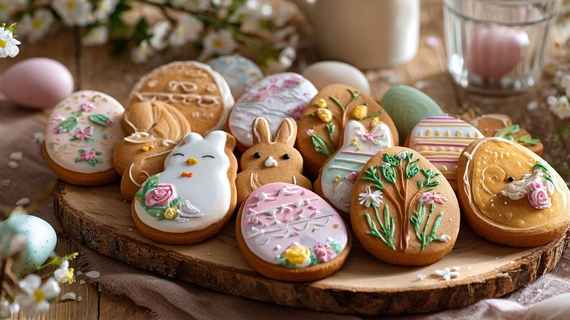
At weddings, the cake can also connect the whole dessert table. Couples may pair a modest centrepiece with wedding gingerbread in Manchester, offering decorated pieces as favours while keeping the main bake elegant and manageable. Guests still enjoy a sense of abundance, but nothing is ordered merely for show.
When several levels make good sense
Choose more than one tier when the celebration needs a clear focal point, the guest list supports it, or different tastes must be served. It is especially useful when:
- there are roughly 50 guests or more and one wide cake would feel awkward;
- two or three flavours will make the menu more inclusive;
- the venue has a large room where a low design could disappear;
- the decoration tells a story that benefits from height;
- formal photographs and a cake-cutting moment matter to the hosts.
A recent trend across Britain is restrained scale: two well-proportioned tiers, soft buttercream and seasonal flowers instead of height for height's sake. This suits registry-office weddings, christenings and milestone lunches beautifully. International event practice points in the same direction, with couples choosing a smaller display cake and supplementary portions prepared behind the scenes.
The point where bigger stops being better
More levels bring more engineering, transport and set-up. Internal dowels, boards and careful chilling protect the design, while delivery may require assembly at the venue. Stairs, summer heat and a long drive all affect what is sensible. In an older Manchester townhouse or a country venue with a gravel path, access can matter as much as guest numbers.
Budget deserves an honest look too. Much of the price comes from labour: smooth finishes, hand-modelled details and safe construction take time. If the gathering is intimate, a beautifully finished single tier can feel more personal than a towering cake surrounded by leftovers.
For a child's party, another option is to let one compact bake lead the table, then add personalized gingerbread treats in Manchester with names, animals or colours from the theme. Children receive an individual piece, serving becomes simple and the display still feels full of character.
A quick decision check
Before confirming the design, discuss these points with the maker:
- final guest count and whether dessert is served after a full meal;
- portion style, including coffee-sized or generous slices;
- preferred flavours and any allergy requirements;
- room size, display table, access and expected temperature;
- delivery time, cutting arrangements and plans for leftovers.
These answers often reveal the right format quickly. For example, 70 guests at an autumn reception may suit two generous tiers, whereas the same number at a summer garden party could benefit from a small display cake plus pre-cut kitchen portions. The second plan shortens service and limits time in warm air.
Designing height with purpose
Once several levels are justified, proportion becomes the creative heart of the design. Equal gaps between cake sizes produce a calm, classic outline. A larger jump can feel modern and architectural. Flowers, piped detail or painted motifs should guide the eye upward rather than make every level compete.
Flavour can follow the occasion. One tier might be lemon and elderflower, another rich chocolate, and the base a dependable vanilla sponge. For formal events, placing the firmest bake below helps with stability. The maker will also consider fillings, since soft mousse or loose fruit layers may need adjustment before a long journey.
A confident choice, not a rule
There is no guest-count law that demands three tiers. The best cake reflects the room, menu and people around it. A two-level design can look generous at a community hall in Salford; four may feel natural in a hotel ballroom. Thoughtful scale creates impact without waste.
When comparing bespoke cakes in Manchester, share the venue details, serving plan and the feeling you want guests to remember. A skilled maker can then suggest real tiers, dummy display levels or extra kitchen portions. The result should not simply be taller. It should be easier to serve, balanced on the table and unmistakably yours.