

Why handmade cakes cost what they do: real Manchester stories behind the price
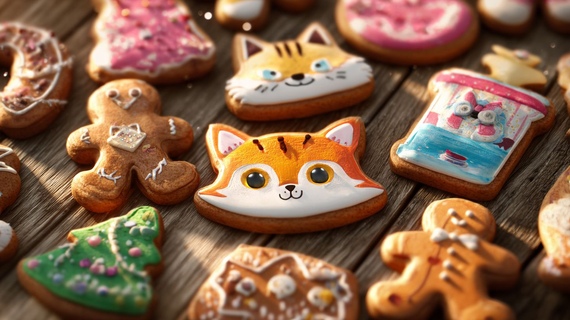
What you really pay for in a handmade cake
If you have ever ordered a custom cake for a birthday, wedding or office celebration, you probably remember two things very clearly: the "wow" when people saw it and the moment you looked at the price. Many people in England quietly wonder whether a handmade cake is really worth that figure on the invoice. Especially in a city like Manchester, where local makers compete with supermarket counters, it can be hard to understand why prices differ so much.
The short answer is that you are paying for far more than flour, butter and sugar. You are paying for time, skill, design work, communication, last minute changes, as well as rent, electricity, packaging and even the hours spent washing piping bags. If you have ordered handmade gingerbread in Manchester from a small studio before, you already know that the difference between a basic biscuit and a tiny edible artwork is huge. The same logic applies to cakes.
Time, craft and experience in every slice
A handmade cake is not just baked and boxed. It usually starts with a conversation. The baker listens to your ideas, checks the date, number of guests, flavour preferences and possible allergies. Then there is sketching, planning colours and textures, choosing toppers and agreeing on details. None of this happens in big factory bakeries in the same way.
Professional decorators in England often say that design work can take longer than the actual baking. Complex sugar flowers or realistic textures can demand hours of focused manual work. Behind that is the investment in courses, tools and years of practice. When you pay for a custom cake, part of the price reflects all that invisible training that allows the baker to say "yes" to your unusual idea and actually deliver it.
Ingredients that tell their own story
Another important part of the price is what goes into the bowl. There is a big difference between bargain margarine and high quality butter, between artificial flavour drops and real vanilla or honey. Many small Manchester bakers choose local eggs, good chocolate and fresher dairy because their reputation rests on taste. If you ask for dairy free or gluten free options, that can also change the cost, as safe ingredients and separate processes are more expensive and time consuming.
This is similar to what international research on artisan food businesses shows: when makers move from industrial mixes to more natural recipes, their costs rise, but clients report higher satisfaction and are more likely to order again or recommend the business. Good ingredients create memories, and that is part of what you are buying for your celebration.
Design, size and level of personalisation
Once you go beyond a simple round cake with a bit of piping, design becomes one of the strongest price drivers. Tall tiers, sharp edges, hand painted elements, metallic accents, figurines, realistic flowers, textured buttercream, edible images - each extra detail adds planning and labour. A cake that looks effortless on Instagram almost never feels effortless in the kitchen.
Size is another factor. Feeding 10 people is not the same as feeding 80, and the difference is not only in the amount of sponge and filling. Larger cakes need stronger internal support, careful stacking and sometimes delivery in parts. Climate matters too. In warmer months in England, decorators may need more stable recipes or extra cooling time to keep everything safe and beautiful, which again increases effort.
Here it helps to think about your cake the way you might think about a bespoke suit. A simple, elegant design in one colour will always cost less than something covered in embroidery, crystals and contrasting panels.
When small details quietly increase the price
Many clients fall in love with a photo on social media and bring it to the consultation. It might be a cake covered in sugar flowers, each petal veined and dusted by hand. Or maybe a cartoon scene with several characters, each sculpted individually. On the picture it looks like one object, but in reality you are asking the baker to create dozens of small pieces, each with its own drying time and risk of breakage.
To keep expectations realistic, it is useful to understand which elements increase the quote most strongly:
- very detailed sculptures, sugar flowers or figurines made by hand
- metallic finishes, lustre and painted details that need several layers
- tall multi tier structures requiring internal supports and extra boards
- last minute changes to flavour, colour palette or number of portions
- specific delivery time slots, for example early morning before venue access closes
When cake makers in Manchester and across the UK are transparent about these elements, most clients are happy to adjust the design slightly. For example, you might choose fewer figurines, or mix fresh and sugar flowers, staying within budget and still receiving something special.
Gingerbread, matching favours and complete sets
Many small studios do more than cakes. They also decorate biscuits and festive pieces that match the main design. It is becoming popular for couples and families to order sets that combine a show stopping cake with smaller treats. Think of cupcakes for children, corporate logo biscuits or delicate wedding gingerbread as favours.
Such sets look fantastic on the table and in photographs, but every extra element adds more individual work. Matching colours and style across cake and gingerbread means additional planning and testing. Each item has to be baked, cooled, decorated, packed and labelled. That is why a "cake plus cookies" package will cost more than the cake alone, even if the recipes themselves are simple.
How to keep the budget realistic without losing the magic
The good news is that you can manage the final cost without sacrificing joy. A friendly, open conversation with your baker is more powerful than scrolling through endless photos and silently worrying about money. Local makers in Manchester are used to working with different budgets and can suggest creative solutions if they clearly understand your priorities.
Talking openly to your baker
Instead of hiding your number, try sharing it early. Say what you can comfortably spend and what matters most to you - flavour, size, theme, logo, particular colour or character. A professional can then explain what is possible, what might need to be simplified and how to get the best result for your event.
Here are a few practical questions that help you stay on track:
- Which elements of this design influence the price the most
- Is there a way to simplify decoration without losing the overall feel
- How many portions do we really need for this event in this venue
- Are there flavour options that are more budget friendly but still delicious
- What is the latest date for confirming details so we avoid rush fees
These questions show respect for the baker's work while protecting your own wallet. Often the answer is not to order a completely different cake, but to make thoughtful changes to height, decoration density or number of flavours.
Understanding what comparison really means
Modern clients search and compare constantly. You might see very different prices when you look for bespoke cakes in Manchester online. It can feel confusing until you realise that you are not comparing identical products. One maker may be working from a home kitchen, another from a rented studio with extra staff. One might use premium chocolate, another standard supermarket bars. Some offer full delivery and set up service, while others ask you to collect.
International experience in the craft food sector shows the same pattern: small creative businesses that invest in quality, safe processes and original design usually charge more, but they also build stronger local communities around them. In Manchester, clients come back to the same makers year after year, turning birthdays, weddings and corporate events into traditions with a familiar taste and style. That loyalty supports sustainable pricing and allows bakers to keep improving their skills and tools.
In the end, the price of a handmade cake is the sum of many thoughtful decisions. When you understand where each pound goes, it becomes easier to choose with confidence. You are not just buying dessert. You are commissioning a little piece of edible art that will live on in family stories and photos long after the last crumb has disappeared.