

Why texture contrast is becoming the secret ingredient behind memorable desserts
More than flavour alone
When people describe a dessert they truly loved, they rarely focus on flavour alone. They remember the crack of a delicate icing layer, the softness of sponge beneath it, the slight chew of caramel, or the satisfying crunch of a biscuit decoration. Texture creates an experience that stays in memory long after the final bite.
Across England, artisan bakers and pastry makers are increasingly paying attention to texture combinations rather than relying solely on sweetness. Whether someone is buying a celebration cake for a family gathering in Manchester or choosing handcrafted treats for a corporate event, the desserts that generate the strongest reactions are often those that surprise the senses.
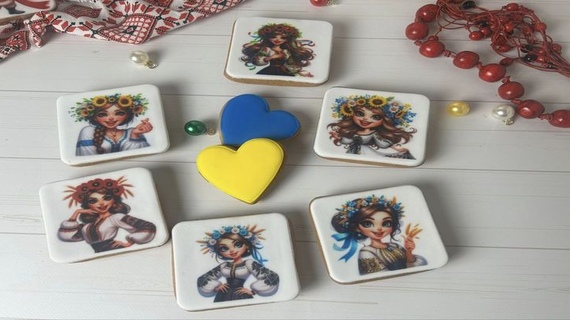
A growing number of customers who order handmade gingerbread in Manchester are looking for more than attractive decoration. They want something that feels exciting to eat. The balance between crisp edges, tender centres and carefully layered icing transforms a simple biscuit into a memorable treat.
Food researchers have explored this phenomenon for years. Studies into consumer behaviour consistently show that texture significantly influences enjoyment, perceived quality and overall satisfaction. In other words, two desserts with similar ingredients can create completely different impressions depending on how they feel in the mouth.
The science behind enjoyment
Our brains are constantly processing information from multiple senses at once. When a dessert combines different textures, it creates more sensory stimulation. This naturally increases engagement and makes the eating experience more interesting.
Think about some of the most popular desserts in Britain. Sticky toffee pudding combines a soft sponge with rich sauce. A traditional trifle balances cream, fruit and cake. Even a classic biscuit often pairs crispness with a smooth chocolate coating.
The contrast itself becomes part of the pleasure.
Imagine biting into a dessert where every component feels identical. After a few mouthfuls, the experience becomes predictable. Now compare that with a treat that delivers a gentle crunch followed by softness and a smooth finish. Each bite offers something slightly different, encouraging people to keep enjoying it.
Professional pastry chefs frequently describe texture as the hidden layer of design. While decoration attracts attention first, texture often determines whether customers remember the product weeks later.
Why handcrafted creations benefit most
Mass-produced desserts often prioritise consistency above everything else. Handmade products have the advantage of individuality. They allow bakers to experiment with layers, finishes and decorative elements that create richer sensory experiences.
This is especially visible in artisan gingerbread. A carefully crafted biscuit can include a crisp exterior, delicate icing details and decorative elements that add another dimension to every bite.
Many customers who choose custom decorated gingerbread in Manchester are initially attracted by the visual design. However, feedback frequently highlights texture as one of the most enjoyable aspects. Beautiful decoration creates anticipation, while varied textures deliver the reward.
Local markets, craft fairs and seasonal events across Greater Manchester provide excellent examples. Visitors often stop to admire decorated gingerbread displays, yet purchases are frequently driven by recommendations from previous customers who remember not only how the products looked but also how satisfying they were to eat.
Small details that make a big difference
Several texture combinations consistently perform well:
- Crisp gingerbread with smooth royal icing.
- Soft cake layers combined with crunchy decorative elements.
- Creamy fillings paired with biscuit crumbs.
- Honey-based bakes featuring lightly toasted toppings.
- Moist sponge balanced by delicate chocolate decorations.
Each combination creates contrast without overwhelming the palate.
The goal is not complexity for its own sake. Instead, successful dessert makers use texture to support flavour and create a more complete experience.
How texture influences special occasions
Celebration desserts carry emotional value. People remember birthdays, weddings and anniversaries through the food they share with friends and family.
When textures are thoughtfully combined, desserts become conversation starters. Guests often comment on unexpected contrasts or unique details that elevate the experience beyond expectations.
A wedding dessert table, for example, might feature soft sponge cakes alongside crisp decorated gingerbread. The variety encourages guests to sample different items and creates a more engaging experience throughout the event.
This approach has become increasingly popular across England, particularly among customers seeking personalised celebrations rather than standard catalogue products.
Tips for choosing desserts with engaging textures
If you are ordering treats for an event, consider the following:
- Look for products that combine at least two contrasting textures.
- Ask about decorative elements that add crunch or softness.
- Consider seasonal ingredients that naturally create variety.
- Balance visual appearance with eating experience.
- Choose handcrafted products where texture receives as much attention as flavour.
These simple considerations can dramatically improve how guests experience a dessert selection.
The growing demand for sensory experiences
Consumer expectations continue to evolve. Modern customers increasingly value experiences over simple products. This trend affects restaurants, cafés, bakeries and independent dessert makers alike.
Social media has played a role, but not always in the way people assume. While photographs help attract attention, repeat purchases are usually driven by quality. Texture becomes particularly important because it cannot be fully captured in an image.
A beautifully decorated dessert may earn likes online. A dessert with outstanding texture earns recommendations, repeat orders and enthusiastic conversations.
This is one reason why many independent bakers continue to thrive despite competition from larger producers. They can focus on craftsmanship and sensory detail rather than standardisation.
When cakes and gingerbread work together
One of the most interesting trends in recent years is the combination of decorated gingerbread and celebration cakes within the same design concept.
Decorated biscuits can introduce crispness and structure, while cakes provide softness and richness. Together they create a more dynamic experience than either component could achieve alone.
Customers ordering bespoke cakes in Manchester are increasingly requesting edible decorative elements that contribute to texture rather than serving as purely visual additions. Gingerbread plaques, biscuit toppers and handcrafted decorations all help create this effect.
The result feels more thoughtful and memorable. Guests enjoy visual impact at first glance and discover additional layers of enjoyment when they taste the dessert.
Creating memorable desserts at home
Even home bakers can apply texture principles successfully:
- Pair soft fillings with crisp components.
- Use nuts, biscuit crumbs or gingerbread pieces thoughtfully.
- Avoid making every layer identical.
- Introduce contrast gradually rather than adding too many elements.
- Focus on balance rather than complexity.
Simple adjustments often produce surprisingly impressive results.
A small detail that changes everything
The most memorable desserts rarely rely on sweetness alone. They succeed because they engage multiple senses simultaneously. Texture provides rhythm, contrast and surprise. It transforms eating from a routine activity into an experience.
Whether it is artisan gingerbread for a festive gathering, personalised treats for a corporate event or an elegant celebration cake for a milestone occasion, thoughtful texture combinations help create lasting memories.
People may initially notice decoration. They may appreciate flavour. Yet it is often the interaction of crunch, softness, smoothness and richness that keeps them talking about a dessert long after the event has ended.
For bakers, decorators and customers alike, texture is no longer a minor detail. It has become one of the most powerful tools for creating desserts that feel truly special.