

Why thoughtful gingerbread can make children's parties calmer and happier
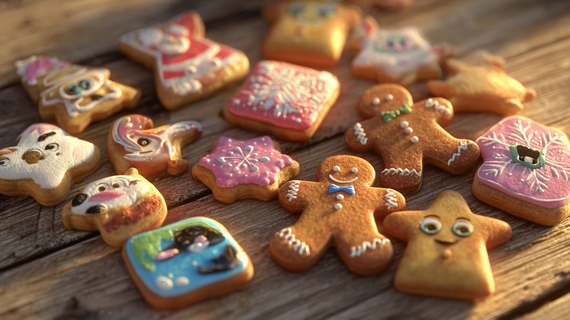
Is a tray of spiced biscuits really a good idea for children?
Parents in England often stand over the party table wondering whether gingerbread is a sensible choice for excited kids or just another sugar bomb. At the same time, many of us remember the cosy smell of spice from our own childhood get togethers, and we would like to pass that feeling on. When the biscuits are made with care, balanced with other foods and adapted to the age and needs of the little guests, they can become more than a treat - they can support connection, confidence and even calmer behaviour.
For example, when you order handmade gingerbread in Manchester from a small local maker, you are not just buying a box of biscuits. You are asking a person who understands families to adjust recipes, sizes and designs so they fit your celebration. That flexibility is what turns a simple sweet into a thoughtful part of the day rather than a random sugar rush.
Many British parents also notice that children who are shy around new people feel safer when there is something familiar on the table. The warm smell of spice, a friendly shape and a simple icing design can become a small anchor in a busy room. Instead of rushing from one noisy game to another, a child can sit with a biscuit, explore the pattern on top and slowly join in.
How sweet treats can support children's experiences
Research and practice in early years settings show that small, predictable rituals help young people feel secure during social events. A carefully planned treat can become one of those rituals. When biscuits appear at roughly the same point in every birthday or family gathering, the whole process starts to feel less overwhelming.
At the same time, families across England are paying more attention to nutrition. That does not mean that every party table has to look like a health campaign poster. It does mean that parents and makers can work together to design desserts that respect both joy and wellbeing. Smaller portions, simple decorations and better ingredients all make a difference.
Balancing joy and nutrition on the party table
Instead of thinking in terms of "allowed" and "forbidden" foods, it is often more helpful to look at the whole picture. One biscuit with a clear shape, light icing and good quality spices can sit comfortably next to bowls of berries, vegetable sticks and cheese. Children usually move between these options in their own rhythm.
Here are a few gentle ideas that many local families find useful:
- Offer water or diluted juice next to the dessert plates, so kids are not combining a sweet snack with very sugary drinks.
- Ask the maker to keep the icing layer thin and avoid heavy artificial colours that can stain fingers and clothes.
- Choose smaller shapes, so one piece feels satisfying but not overwhelming for little stomachs.
- Put the biscuits out after the main food, when blood sugar is more stable and children are less likely to grab several pieces at once.
- Keep some completely undecorated biscuits aside for very young guests or those who are sensitive to strong visual input.
These simple decisions do not remove the fun. They show children that celebrations can include treats without losing balance.
Safety, allergies and sensory needs
Another common question around party biscuits is safety. Many parents worry about crumbs for toddlers, hard decorations on top or ingredient lists that are hard to understand. This is where working with a small independent maker really helps. Together you can agree on softer textures, gentle shapes and clear information about allergens.
For instance, some children find it difficult to bite into big, thick biscuits with sharp corners. Others dislike strong crunch from certain toppings. By planning ahead, a maker can prepare thinner pieces, rounded edges and smoother icing. This is especially important for little ones with sensory processing differences, who may already be coping with loud music, new people and bright balloons.
It is also worth remembering that designs can comfort rather than overwhelm. Carefully chosen themed gingerbread can reflect a child's favourite story, animal or hobby in a calm and simple way. A few clear motifs - a football, a dinosaur, a book, a star - are often enough. There is no need to cover every surface with busy patterns.
Supporting children with sensory sensitivities
Many families in England include children who find crowds and noise challenging. For them, the dessert table can be both attractive and frightening. When planning the celebration, consider these points:
- Ask the maker to limit strong fragrances, for example by avoiding additional flavour sprays.
- Choose designs with clear outlines and gentle colours instead of very bright, clashing combinations.
- Keep a small box of plain pieces in the kitchen or a quiet corner, so a child who needs a break can enjoy a snack away from the main group.
- Let guests know in advance that there will be options with and without icing, as well as alternatives for common allergies.
These steps send an important message - every child deserves to feel included and safe, not just entertained.
Turning decorated biscuits into a calm activity
Across Europe and in the UK, more and more hosts are turning dessert into a creative station rather than a simple plate on the table. Instead of presenting fully finished pieces, they set up a small decorating corner with ready baked bases, a few icing colours and simple sprinkles. Under gentle supervision, children can sit down, focus and build their own design.
This type of activity has several advantages. It slows the tempo of the party, gives shy kids something concrete to do and encourages fine motor practice without turning the event into a lesson. It can also reduce waste, because guests are more likely to eat something they created themselves.
Some British nurseries and primary schools use baking and decorating sessions to support language development and social skills. Children talk about colours, shapes and ideas for their designs, practise taking turns and learn to handle small tools in a safe way. Adapting this approach for a home celebration is a natural next step.
Here are a few ideas that often work well:
- Prepare aprons or old shirts so children can relax without worrying about clothes.
- Keep the choice of decorations small, so the table does not feel chaotic.
- Invite kids to make one piece to eat and one to take home as a party favour.
- Use simple picture cards as inspiration for those who find it hard to think of a design on the spot.
- Have an adult or older sibling at the table, quietly supporting and praising effort rather than perfection.
Where cakes fit into the picture
Of course, many families still imagine a tall centrepiece when they picture a birthday celebration. In reality, a lot of Manchester parents now choose a modest main dessert and support it with smaller decorated biscuits. A carefully designed tray of biscuits can help to spread attention and reduce pressure on one large item. At the same time, a beautiful main dessert has its own emotional role - it marks the moment when everyone gathers, sings and thinks about the child at the centre of the day.
When you work with a local artisan who also creates birthday cakes in Manchester, you can coordinate colours, flavours and themes across both elements. For example, a simple sponge with light cream can share the same gentle colour palette as the decorations on the biscuits. This looks elegant in photos and also keeps the overall sugar load moderate.
Choosing a maker who understands families
The person behind the oven matters just as much as the recipes themselves. A master who specialises in handmade biscuits and celebration desserts is used to talking with parents about allergies, school rules, cultural preferences and different family structures. That relationship can turn planning from a stressful task into a pleasant conversation.
When selecting someone to bake for your child, it often helps to look for a few signs. Do they talk about ingredients in a clear and honest way. Are they open to adjusting portion sizes and decorations. Do they ask about the age range of guests, possible sensory needs or specific worries you have. These questions show that the maker thinks about more than appearance.
In many English communities, there is now a quiet trend towards smaller, more meaningful gatherings instead of huge, competitive events. Hand crafted biscuits and a thoughtfully designed cake fit this mood very well. They reflect care, local collaboration and awareness of the children as individuals, not just an audience to impress.
So is gingerbread suitable for children's parties
When we look at the whole picture - nutrition, safety, emotions and social experience - the answer is usually yes. Thoughtfully planned biscuits can bring warmth, structure and even calm to a busy celebration. The key is not to pile the table high with random sweets, but to work with someone who can adapt recipes and designs to your family.
For parents in Manchester and across England, this means giving themselves permission to combine tradition with modern knowledge. A tray of spiced biscuits and a simple cake do not have to be perfect to be special. They only need to be prepared with attention to the real children who will sit around the table, with their different tastes, bodies and feelings.
When we approach desserts in this way, gingerbread stops being a guilty pleasure and becomes part of a kinder, more thoughtful way to celebrate our children and the milestones in their lives.